

Home Remodeling Permits Bend OR: Do You Need Permits for Home Renovation Oregon & How Long Permits Take in Central Oregon
Bend, OR remodeling permits aren’t just paperwork—they’re the safeguard that keeps your project safe, legal, insurable, and resale-ready, helping you avoid stop-work orders, costly tear-outs, and hidden hazards. This guide clarifies what typically triggers permits (structure, electrical, plumbing, HVAC, added living space), what’s usually exempt (cosmetic work), how Bend vs. Deschutes County rules can differ by address, and how to speed approvals with clear scope, complete plans, and early City pre-checks.

The Permits Nobody Warns You About in Bend, OR (Until It’s Too Late)
If you’re staring at a remodel quote and thinking…
Do I really need a permit for this?
What if I just “swap a few things” and keep it simple?
How long will the City take to approve it?
Will this mess up my timeline, my budget, or my resale value?
I’ve been around enough Bend remodels to tell you this.
Permits aren’t the “nice-to-have paperwork.”
They’re the guardrails that keep your project legal, insurable, and sellable.
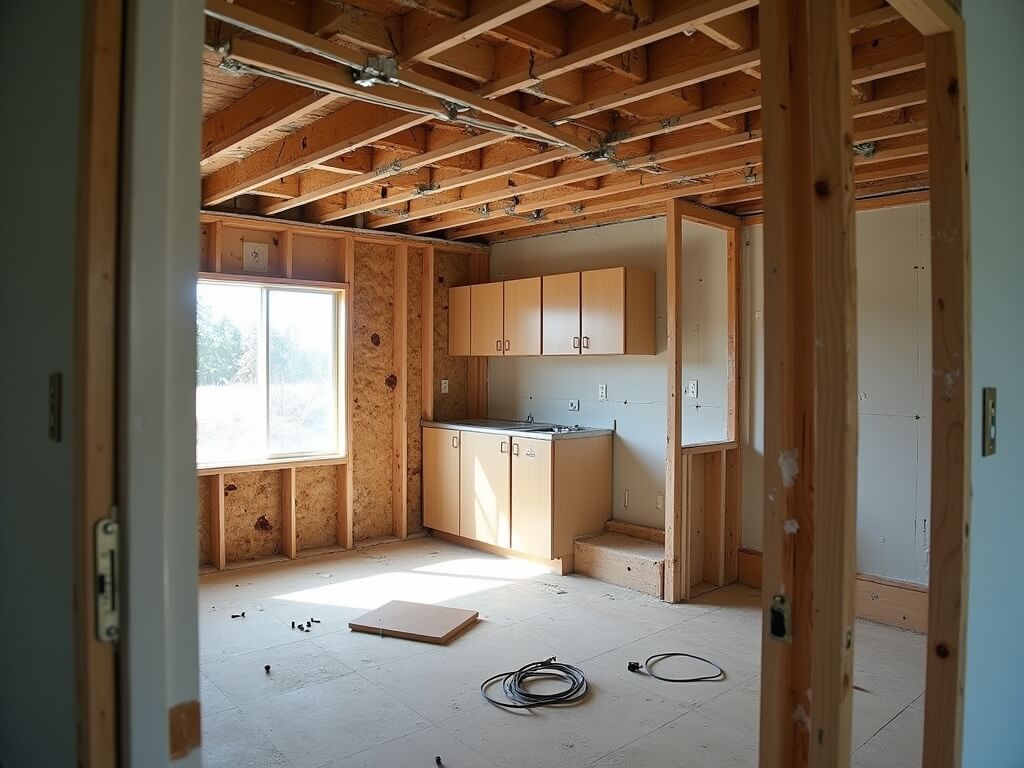
Key takeaway: If you’re changing structure, systems, or safety, you should assume a permit is involved until the City says otherwise.
 <\br>
<\br>
What Bend Actually Means by “You Need a Permit” (Oregon Law Sets the Baseline)
Oregon doesn’t leave permits up to vibes.
State building rules require local permits for things like new construction, structural changes, and most electrical, plumbing, and mechanical work.
That’s the foundation.
Then the City of Bend enforces those codes locally and adds location-specific rules like zoning setbacks and energy compliance.
If you want the fastest, most accurate answer for your exact address and scope, go straight to the source.
City of Bend Permit Center
permitcenter@bendoregon.gov
541-388-5580
Here’s why I always recommend that quick pre-check.
Two projects that look “identical” on Instagram can have totally different requirements in real life.
Wildfire zone.
Setbacks.
Existing nonconforming structures.
Historic quirks.
Even how the home is currently classified can change the game.
Key takeaway: Oregon sets the rules, Bend enforces them, and your property details decide how strict it gets.
Why Home Remodeling Permits in Bend, OR Matter More Than You Think
Permits do three big things that homeowners usually don’t appreciate until something goes wrong.
1) They force safety checks when it matters
Structural, electrical, gas, and plumbing failures aren’t “oops” problems.
They’re fire, flood, and injury problems.
Permits trigger inspections that catch mistakes early.
2) They protect you from expensive backtracking
If the City finds unpermitted work, you can get hit with:
Stop-work orders
Fines
Requirements to open up finished walls for inspection
Corrective work that costs more than doing it right the first time
3) They keep your resale clean
Unpermitted work is one of those things that looks fine… until you sell.
Then it shows up in disclosures, buyer negotiations, and lender/appraiser questions.
A stat that sticks with me.
According to the National Fire Protection Association, electrical distribution and lighting equipment is one of the leading sources of reported home electrical fires in the US each year.
That’s exactly the category of work people love to DIY without permits because “it’s just a few outlets.”
Personal experience, quick story.
A few years back, I walked a friend’s remodel in the NW Crossing area after they hired a handyman to “just move a couple can lights and add an outlet.”
No permit.
No inspection.
When their electrician later came in for a larger upgrade, he found an overloaded circuit and a junction buried behind drywall.
That’s the kind of thing that can smolder for months before it becomes a real emergency.
They ended up paying twice.
Once to redo the work.
And again to repair drywall and repaint.
Key takeaway: Permits aren’t a tax. They’re a risk filter that protects your life, budget, and future sale.
Do You Need Permits for Home Renovation in Oregon? Use This Simple Rule
Do you need permits for home renovation Oregon?
If you’re changing what the home is, how it stands, or how it functions, you’re almost certainly in permit territory.
In plain English, permits typically apply when you touch:
Structure
Electrical
Plumbing
Mechanical
Life-safety elements
Let’s break it down like a real homeowner would.
Projects That Usually Require Permits in Bend (The “Yep, Probably” List)
Structural remodel permits
These are the big ones.
If you’re doing any of the following, expect building permits and plan review.
Adding rooms or an addition
Moving or removing walls (especially if load-bearing)
Finishing an attic, garage, or basement into living space
Cutting new windows or doors into exterior walls
Changing beams, posts, floor framing, roof framing
Building or enlarging a garage or carport
Sheds over 200 square feet
Electrical permits (electrical plumbing permits Bend searches often lump these together)
Most new electrical work requires permits.
Examples:
New wiring or new circuits
Adding outlets or light fixtures as part of new work
Garage receptacles tied to a new run
Service or panel upgrades (common in older Bend homes)
Plumbing permits
In general, installations and alterations require permits, with limited exceptions for minor repairs.
Examples:
Moving plumbing lines for a kitchen remodel
Adding a bathroom
Installing new fixtures where supply/waste lines are altered
Converting tubs to tiled showers when plumbing changes
Mechanical permits
If it heats, cools, vents, or burns fuel, assume a permit.
Examples:
Installing or relocating HVAC equipment
Ventilation changes
Vented appliances
Gas logs
Other common permit triggers in Central Oregon
Decks (often, depending on height and attachment)
Roof replacements when you’re replacing sheathing or changing structural components
Major HVAC swaps
Additions and ADUs
And yes, ADUs and DADUs usually come with a full set of reviews.
That’s partly why a design-build team can be a big advantage.
If you’re doing an ADU or DADU in Bend, Sisters, or Redmond, the plans, energy paperwork, and inspection schedule can add up fast.
Key takeaway: If your remodel touches structure, wiring, plumbing, gas, HVAC, or adds living space, plan on permits.
 <\br>
<\br>
Projects That Often Don’t Require Permits (The “Don’t Overthink It” List)
A lot of homeowners waste time worrying about stuff the City doesn’t care about.
Cosmetic work is usually not permit work.
Common examples:
Interior painting
Replacing flooring
Cabinet swaps that don’t move plumbing or electrical
Minor repairs
Other typical no-permit items (when truly like-for-like and non-structural):
Gutters and downspouts
Some door and window replacements when you’re not changing the opening size or structure
Siding in certain cases (check wildfire requirements if applicable)
Insulation retrofits
Decks and fences can be a gray area.
Some decks/porches under about 30 inches above grade may not require permits, depending on specifics.
Fence height and location rules can vary too.
When in doubt, I’d rather see a 5-minute email to the City than a 5-week headache later.
Key takeaway: Cosmetic and minor repairs usually don’t need permits, but “minor” stops being minor the moment you change structure or systems.
Bend vs. Deschutes County: Same State Codes, Different Site Rules
One of the easiest ways to get tripped up is assuming “Bend rules” apply everywhere in Central Oregon.
They don’t.
Here’s how it tends to break down.
Inside City of Bend limits, you work with the City’s permit process and zoning rules.
Outside City limits, you may be dealing with Deschutes County permits and their workflow.
Even when state building codes are consistent, local requirements can change things like:
Setbacks and lot coverage
Environmental or wildfire-related considerations
Energy code compliance paperwork
Access and addressing requirements
If you’re in areas like Awbrey Butte, Awbrey Glen, NW Crossing, or near Pilot Butte, the site constraints can be very different house to house.
Same goes for nearby markets like Sisters and Redmond where the jurisdiction can shift.
Key takeaway: Your address decides the rulebook, not just the type of remodel.
The Fastest Way to Avoid Permit Pain Before You Spend a Dollar on Demo
Here’s the move I’d make if you were asking me over coffee.
Before you order materials or lock your contractor schedule, do a quick scope check.
Ask yourself:
Am I moving walls?
Am I adding or changing windows or doors?
Am I adding living space?
Am I moving plumbing?
Am I adding circuits or changing wiring?
Am I touching HVAC or gas?
If you answered yes to any of those, you’re likely in permit land.
And the next smart step is to line up your documents and your submission plan, because that’s where most timelines get wrecked.
If you want help mapping a remodel from design through permits through inspections, DCR Northwest handles custom home renovations from kitchens and bathrooms to full-home remodels, plus ADU and DADU builds, with an all-in-one design and build option.
They serve Bend and the major nearby areas like Awbrey Butte, Awbrey Glen, NW Crossing, Pilot Butte, Sisters, and Redmond.
Phone: 541-699-2502
Email: matt@dcrnorthwest.com
Key takeaway: The best permit strategy is clarity first, then plans, then scheduling.
Now that you know what typically triggers home remodeling permits Bend OR homeowners run into, the next step is understanding exactly how the City of Bend permit process works, what documents you’ll need, and how to keep plan review from dragging on.
The Bend Permit Process (What Actually Happens After You Hit "Submit")
Most homeowners picture permits like this: You apply, they stamp it, you build.
In real life, it’s closer to this:
- You submit your application + plans.
- Plans get reviewed for code and zoning basics.
- You get corrections (usually).
- You resubmit.
- They approve.
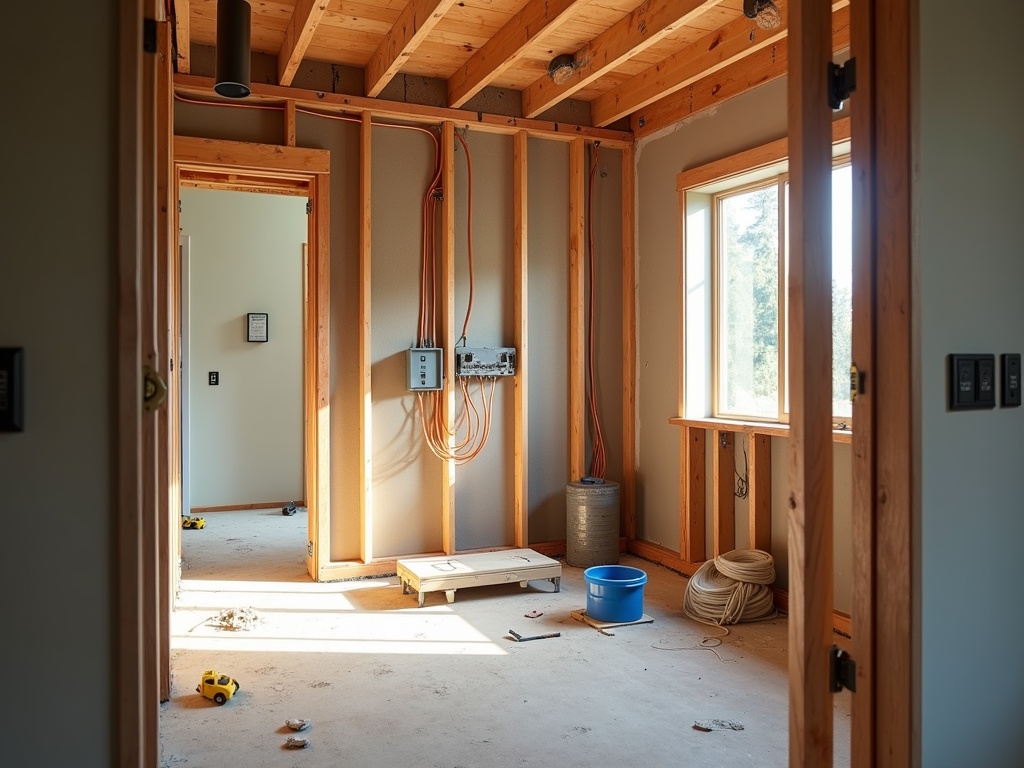
- You get inspections at key moments so problems don’t get buried behind drywall.
If you want the official source to sanity-check your scope before you spend money, start here. Bend Oregon permits and licenses for property owners
Key takeaway: The City’s job isn’t to slow you down. It’s to make sure you don’t build something unsafe or un-sellable.
The Documents That Make or Break Your Timeline (Most Delays Start Here)
For a typical remodel, the City often needs some mix of:
- Site plan: Property lines, setbacks, lot coverage, existing structures, and what’s changing.
- Construction drawings: Floor plan changes, framing details, beam sizing, window/door locations, and dimensions.
- Structural calculations (when structure changes): If you’re removing walls, adding openings, or changing loads, expect engineering.
- Energy compliance documentation: Oregon’s energy code requirements can kick in depending on what you’re altering.
- Mechanical / plumbing / electrical scope details: Especially if you’re relocating equipment, adding circuits, or changing venting.
Key takeaway: The fastest permit is the one you submit once, clearly, with complete info.
Where Plan Review Gets Stuck (And How to Avoid the Usual Traps)
Most permit delays happen for the same few reasons:
- The scope is unclear: If your plans don’t clearly show what’s existing vs. what’s new, reviewers are forced to guess.
- The project triggers zoning questions: Setbacks, lot coverage, nonconforming structures, additions in tight areas.
- Missing engineering where it’s obviously needed: If you’re taking out a wall, adding a big opening, or changing roof loads, the City will want to see how it’s supported.
- Energy details are an afterthought: Insulation values, window specs, and envelope changes matter more now than they did years ago.
Key takeaway: Late design changes are one of the most expensive ways to “save time.”

How Long Do Permits Take in Central Oregon? (Realistic Timelines, Not Wishful Thinking)
Typical City of Bend review ranges (project dependent) often land around:
- Remodeling permits: roughly 3–4 weeks
- Additions: up to about 6 weeks
- New homes: roughly 8–14 weeks
Key takeaway: You don’t control the City’s workload. You do control how complete your submittal is and how fast you respond.
Inspections: The Part People Fear (That Actually Protects You)
Inspection scheduling in Bend, OR is where homeowners get nervous because it feels like someone is coming to judge your house.
Here’s the mindset shift: Inspections aren’t a “gotcha.” They’re a checkpoint that protects you from hidden defects.
Key takeaway: Inspections are easier than repairs after the walls are closed.
Homeowner vs. Contractor: Who Should Pull the Permit?
Homeowner permit application Bend questions come up all the time. Yes, homeowners can often apply for permits, but that doesn’t automatically mean you should.
Key takeaway: Whoever pulls the permit is effectively “owning” the compliance path. Make sure it’s someone who can carry it.
The Costs Nobody Mentions (Permit Fees, Redraws, and “Open the Wall” Surprises)
Permit fees for home renovation can vary based on valuation and scope, but there are areas where people overspend.
Key takeaway: The most expensive permits are the ones you try to “save money” by skipping.
Wildfire Resilience and Energy Rules: The Quiet Permit Triggers in Bend
Depending on your area and the work you’re doing, you may run into requirements related to:
- Roofing assemblies and materials
- Venting details
- Defensible space considerations (site-specific)
- Energy-efficiency requirements for envelope upgrades
Key takeaway: In Central Oregon, wildfire and energy considerations can turn “simple” projects into permitted work fast.
Bend vs. Deschutes County Permits (The Address Is the Rulebook)
Deschutes County building department and City of Bend don’t operate as one interchangeable machine.
Key takeaway: Don’t plan your timeline based on your friend’s remodel unless your jurisdiction and scope match.
The Smoothest Path I’ve Seen (A Simple Checklist That Works)
If you want the cleanest permit experience, this is the sequence I’ve watched succeed most often:
- Clarify scope in writing
- Do a pre-check with the City
- Get real drawings
- Submit once, respond fast
- Build with inspections in mind
Key takeaway: Permits go smoothly when your project is defined, documented, and managed like a real process.
If You Want Help: Design + Build + Permits Under One Roof (So Nothing Falls Through the Cracks)
If you’re trying to juggle designer, drafter, engineer, and contractor while also living in a construction zone, it can get messy fast. That’s why an all-in-one design and build team can be a big advantage for renovations and ADU/DADU projects.
Key takeaway: The fewer handoffs you have, the fewer chances there are for permit details to get missed.
The Real Point of Permits (And the One Question That Keeps You Safe)
Permits feel annoying when everything goes right. They feel priceless when something goes wrong.
Key takeaway: A “stress-free remodel” is usually just a well-documented remodel with the right inspections at the right time.
