Essential Tips for Interior Design Remodeling: Coordinated Material Selections and Contractor Timing
Interior design remodeling in Awbrey Butte is all about blending modern functionality with Central Oregon’s natural beauty—through phased projects, thoughtful material selection, and a collaborative team approach that ensures your home evolves with your lifestyle. With expert planning and regional insight, you can create warm, cohesive spaces that elevate daily living and long-term value.

Thinking about remodeling your home in Awbrey Butte? You’re not alone.
Most homeowners in Bend I’ve worked with feel one of two things at the start: either completely overwhelmed by the number of decisions they have to make—or worse, completely unaware those decisions even exist until they're in the middle of construction.
So let’s break this down.
Interior design remodeling isn’t just about picking paint colors or swapping cabinets—it’s a complete rethinking of how your interior spaces function, look, and feel for the way you actually live.
And in Central Oregon? That often means blending modern aesthetics with natural textures, optimizing views of the Three Sisters, and creating a feeling of warmth—even on a 27-degree morning in February.
Let’s start with the foundation.
What Counts as “Interior Design Remodeling” Around Here?
At its core, interior design remodeling is the transformation of your indoor environment.
That could be as simple as reworking a bathroom layout so it no longer feels like a pre-2000s motel suite… or as major as gutting an entire home and rebuilding it in phases over several years.
In Awbrey Butte and surrounding neighborhoods, I see three primary goals pop up over and over:
- Open up the floor plan, especially between kitchen, dining, and living areas
- Increase natural light and tie indoor spaces to those beautiful high desert views
- Update finishes to reflect modern, streamlined aesthetics while honoring the landscape
The process typically goes like this:
- Discovery + Planning
- Design development and budget alignment
- Materials and selections
- Construction, sometimes in manageable phases
- Punch list and final walkthrough
And odds are, if you’re doing a kitchen remodel this year, the bathrooms and exterior are going to get jealous in about 12 months.
Welcome to phased remodeling.

Why Interior Design Remodeling in Awbrey Butte Is Usually Done in Stages
Here’s something almost nobody tells you until halfway through a project—you don’t have to do everything at once.
In fact, some of my favorite long-term clients in Awbrey Butte started with a single space (kitchen/living room), then tackled the outdoor living area the following year, followed by bathrooms and exterior finishes over the next few seasons.
And the truth is, that approach makes a lot of sense.
A few reasons:
- It spreads out budget and decision fatigue
- It allows your needs to evolve (trust me, the needs shift once you live in the new layout)
- Supply chain realities (some materials may take months to arrive)
That’s why successful interior design remodeling usually comes with a master plan—even if you’re only executing part of it now.
Common Remodeling Projects We're Seeing Most Often
People hear “remodeling” and think of big, chaotic construction zones. But most projects in Bend fall into a few specific categories—all of which can be tightly managed with the right team.
Here’s what I see most often:
- Kitchen + main living: remove walls, boost daylight, new custom cabinetry, better flow
- Owner’s suite: improve privacy and spa-like comfort, add heated floors, modern vanities
- Bathrooms: tear out the tub, tile everywhere (everything gets tiled around here)
- Outdoor upgrades: covered patios, built-in fireplaces, pivoting doors to expand indoor-outdoor use
- Custom built-ins: floor-to-ceiling shelving, entryway storage benches, clean hidden storage
I once worked with a couple who had two teenage kids and lived on the lower western side of Awbrey Butte. Their living room had beautiful windows—but every bit of storage was an afterthought. We ended up designing a full wall of custom shelving with an integrated fireplace and hidden media cabinet. It not only solved the clutter issue, but also added $20K in perceived value to the room’s resale appeal.
Bottom line: the best remodeling projects consider both form and function—and anticipate how you’ll actually live in the space year-round.
Who’s Really Steering the Ship? (Hint: It’s More Collaborative Than You Think)
A successful home renovation doesn’t happen because of one ninja contractor or a genius designer alone.
It happens because everyone—designer, contractor, client—is aligned around the same vision.
Here’s how the roles typically break down:
Interior designer specializes in:
- Layout planning
- Flow and ergonomics
- Palette coordination
- Finish material selection
- Styling and furniture if needed
Contractor is typically responsible for:
- Turning designs into buildable plans
- Handling permits and inspections
- Managing tradespeople and schedule
- Dealing with any structural or utility wonkiness
- Keeping the build on time (sometimes) and on budget (hopefully)
You, the homeowner, bring the most critical piece:
- Lifestyle priorities
- Functional goals
- Inspiration (Pinterest boards encouraged)
- Budget boundaries
The best results come when you pull everyone to the table early—especially if you’re working with a full-service design-build team.
DCR Northwest, for example, offers integrated remodeling across Bend and surrounding areas like Awbrey Glen, Pilot Butte, Sisters, Redmond, and of course, right here in Awbrey Butte. Their team includes everything under one roof: design, planning, construction.
That not only cuts down on miscommunication, but lets you make more flexible, informed decisions as you go.
Punchline? Choose partners who talk to each other.

Now that we’ve defined what remodeling looks like in Central Oregon—let’s talk about a piece that can totally sink your timeline if you don’t handle it early.
Coordinated Material Selections: This Can Make or Break Your Remodel
Picking materials sounds fun, right?
Until you're 90 minutes deep into a tile showroom meltdown because nothing matches the stone you loved three weeks ago.
Here’s how to stop that from happening.
Step 1: Define Your Project Priorities
This’ll keep you grounded when trendy stuff tries to tempt you.
Ask yourself:
- Do I want the most durable or the most on-trend?
- Am I prioritizing sustainability or price point?
- Which areas will show the most wear (and which ones will I look at every day)?
Step 2: Build a Palette—Not a Shopping List
I always start by creating a physical or digital vision board of:
- Flooring
- Cabinet finishes
- Countertops
- Paint colors
- Metal/hardware tones
- Feature tile (backsplashes, shower)
This gives you a macro-level view so you can catch clashing textures or color undertones before it’s too late.
Step 3: Do Your Homework
Research the stuff you’re loving.
- What’s the wear rating on that engineered floor you’re eyeing?
- Will that marble need sealing three times a year?
- Is that tile discontinued?
Also, always have backups—if COVID delays taught us anything, it’s that even basic materials can end up on backorder for months.
Step 4: Final Decisions
Make selections early, especially:
- Any custom items (cabinets, doors)
- Anything that sets the construction timeline (windows, appliances)
- Any “statement” elements that need lead coordination (like copper range hoods)
Every contractor I know will thank you if you hand them a clean, signed-off list with product specs.
Some of the Most Popular Materials We’re Using Right Now in Bend
- Natural stone: granite, quartzite, slate
- Wood: white oak, reclaimed fir, mixed-species engineered floors
- Tile: zellige, marble lookalikes, matte porcelain
- Eco-materials: bamboo flooring, recycled tile, low-VOC paints
- Textiles: linen drapes, wool area rugs, plush panel acoustics
- Cabinets: rift-cut white oak, shaker MDF, slab walnut
- Hardware: matte black, warm brass, brushed nickel
We did a kitchen remodel a while back in NW Crossing where the client wanted a true mix of new and old. We paired hand-glazed zellige tiles with soapstone counters and integrated reclaimed timber shelving from a local barn teardown. The effect? Magazine-worthy—but also practical and honest to the region.
That's the secret sauce: regionally relevant design with curated material stories that don't feel forced.
Quick Recap Before We Jump Into the Next Part
- Remodeling in Awbrey Butte is often phased for a reason—budget, lifestyle, evolution
- Designers make your space work; contractors make it real; you bring the vision
- Material selection isn’t a guessing game—create palettes, prioritize, and pick early
- Local context matters—nature-driven design always wins in Central Oregon
- Good teams communicate, coordinate, and execute without delay
Next up: Should you pick materials before or after hiring a contractor? And what if your favorite ones are sold out?
Let’s break that down.
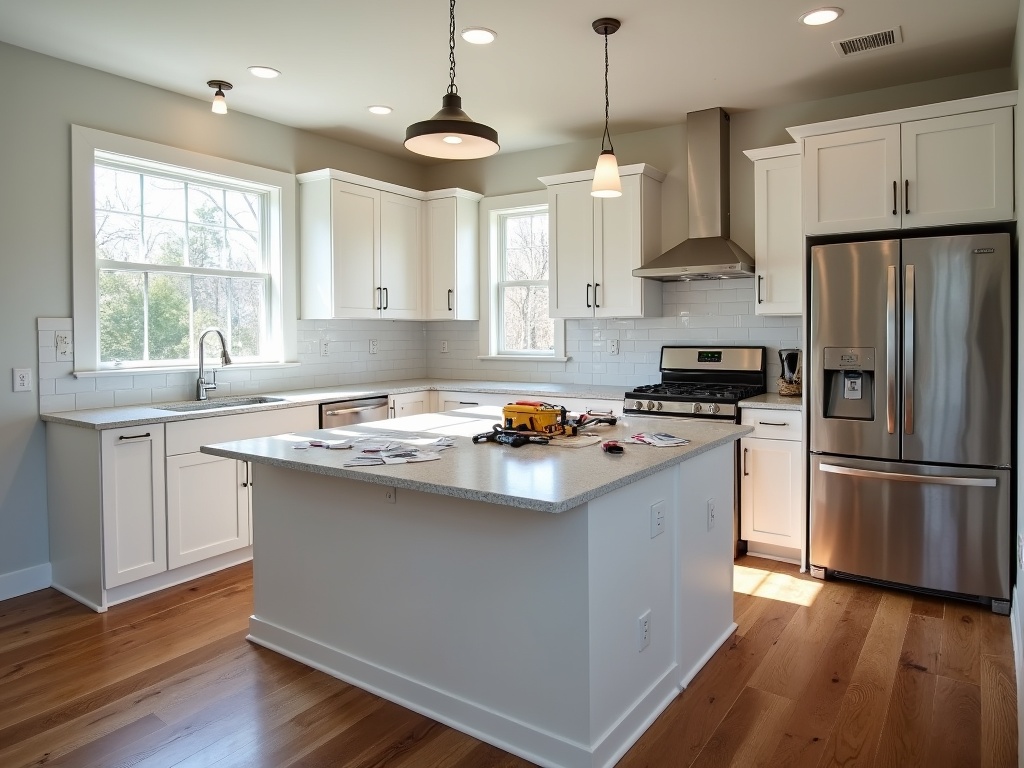
Should You Lock In Materials Before You Hire a Contractor?
Here’s the truth no one puts on Pinterest: materials can derail your remodel budget faster than anything else.
And the biggest question most homeowners ask me?
Do I pick my materials before hiring a contractor—or wait and decide later?
The answer?
It depends on your project goals, risk tolerance, and whether you’re working with a design-build team (highly recommend, by the way).
 <\br>
<\br>
When Picking Materials First is a Game-Changer
If you’re working with a seasoned interior designer (or a full-service remodeler like DCR Northwest), choosing materials early can unlock powerful advantages.
Here’s why:
- You get a clearer vision and tighter bid numbers.
- Contractors can price labor based on actual specs.
- You avoid change orders from last-minute shifts.
- Sourcing starts early—especially for custom cabinets, appliances, and stonework that might take 10–16 weeks to arrive.
Example: I had a couple in NW Crossing go all-in with pre-selections on lighting, tile, and countertops. Not only did it create a unified aesthetic early on, but we shaved six weeks off the final build timeline.
But here’s the small print...
Some materials might have to shift once we open up a wall or run into code issues. That’s why pros build in a few flexible selections as alternates upfront—just in case.
When Teaming Up With Your Contractor First Makes Sense
If you don’t have a distinct style vision yet—or you need budget guardrails before diving into selections—you might be better starting with a contractor or design-build team.
Here’s what that experience often looks like:
- You bring your ideas and example images.
- Your team helps estimate general budget based on typical specifications.
- You explore materials that align with feasibility, lead time, and install ease.
This is especially helpful if you’re remodeling an older home or if structural unknowns may influence finish options.
The catch? Less clarity upfront on what your finishes will ultimately be. Selections delayed can bottleneck your construction calendar later.
Want the best of both worlds? Pair an interior designer with a local contractor early—and make foundational material decisions before final sit-downs for the bid.
 <\br>
<\br>
Awbrey Butte's Phased Reality: Real People, Real Timelines
In neighborhoods like Awbrey Butte and Awbrey Glen, phased remodels are the norm—not the exception.
Most people aren’t ripping out the entire house in one go. They start with a priority zone (usually the kitchen or great room), then layer in other spaces as budget and life allow.
One client started with the kitchen but planned all future finish palettes to connect—from stacked-stone hardscaping that echoed their interior fireplace wall to weatherproof fans that matched the dining light inside.
Key takeaway: phased doesn’t mean “unplanned.” It means smart, sequenced remodeling guided by a long-view design strategy.
Even if you only remodel one room now, pick materials that won’t feel jarring later. Think cohesion, not just “what looks cool now.”
Answers to the Stuff No One Tells You (Until It’s Too Late)
How do I avoid material selection mistakes?
Get actual samples, not just phone photos. Tape them up, look at them in multiple types of lighting. Build your palette all at once.
What if something’s backordered?
Always have a Plan B. We pre-select alternates for anything with an ETA longer than 6 weeks. Delays derail projects.
Should I go with trendy or timeless materials?
Go trendy with low-commitment elements like lighting or paint. Go timeless with flooring, tile, countertops.
- Zellige tile? Sure.
- Hunter green slab backsplash? Maybe.
- Barnwood floors? Safe bet.
Pro tip: Stick with natural finishes and soft contrast palettes—especially in the PNW where light quality varies dramatically.
Can I coordinate indoor and outdoor materials?
Yes—and you should. Repeat one element or texture in both zones. It makes your home feel larger and more cohesive.
- Matching wood species inside and outside
- Brushed brass indoors? Use aged bronze outdoors
- Indoor tile that matches patio pavers
Can I change selections after construction starts?
Technically… yes. But expect delays (1–3 weeks), change orders, and disruption to contractor schedules.
Moral of the story: Finalize early—but work with a team that can pivot if the unexpected strikes.
Where Remodeling in Awbrey Butte is Headed Next
If we zoom out and look at long-term interior design remodeling in Awbrey Butte and greater Bend, here’s what we’re seeing:
Sustainability isn't just marketing anymore.
Clients are asking for:
- Reclaimed finishes from Northwest suppliers
- Low-VOC and formaldehyde-free cabinetry
- Energy-efficient lighting and radiant heating
Expect to see more reclaimed wood from The Nature of Wood or recycled-content tile from companies like Fireclay.
Wellness is winning
- Quiet surfaces: plaster, cork, thick textiles
- Non-toxic paints like Benjamin Moore’s Natura line
- Spa-like bathrooms with steam and zero-threshold showers
Climate-driven design takes priority
- Wider eaves and covered outdoor areas
- Operable windows for passive cooling
- Materials that resist snowloads and UV damage
Tech is quietly integrating
No spaceship control panels—just useful, invisible tech:
- Motion-activated undercabinet lighting
- Flush charging docks
- Smart thermostats and leak sensors
Final Thought: What Really Matters Before You Start
You don’t need to have every ounce of your project figured out. But you do need this:
A clear vision for how you want to live—and a team that knows how to get you there.
Whether you’re doing a kitchen remodel in Awbrey Butte or a full home overhaul in NW Crossing, the key ingredients won’t change:
- Thoughtful layout
- Coordinated, practical materials
- Solid communication between you, your designer, and your contractor
- Just enough flexibility to handle curveballs
With the right approach, your home won’t just look updated—it’ll feel like it finally fits your life.
For help planning your interior design remodeling in Awbrey Butte, give me a call at 541-699-2502 or email matt@dcrnorthwest.com.
Because remodeling isn’t just construction—it’s transformation. Let’s get it right from the start.
