
Complete Guide to Hiring a Basement Conversion Contractor in Oregon: Legal Steps, Moisture Control, and Ventilation
Thinking about converting your basement in Bend, OR? This guide breaks down everything you need—permits, code compliance, moisture control, ventilation, zoning, and more—to legally transform your underused space into a safe, livable, and potentially income-generating area, all with the help of a knowledgeable local contractor.
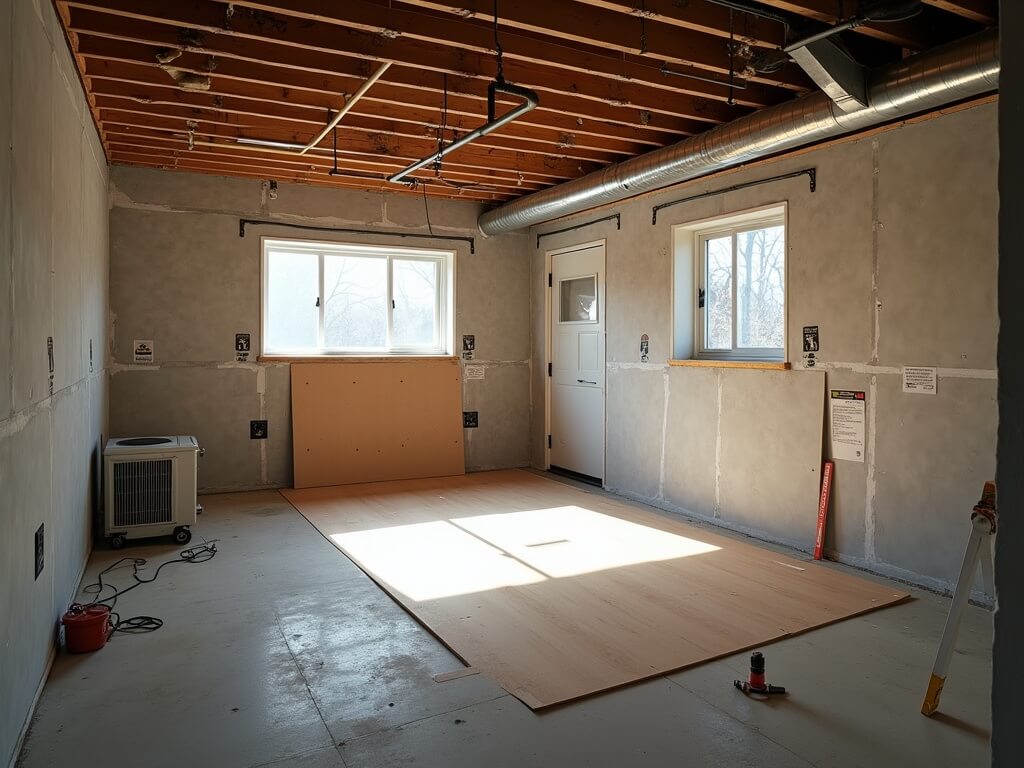
Basement conversion contractor in Bend, Oregon—those five words carry a whole world of questions for homeowners.
Can I legally convert my basement into living space?
Will I run into moisture problems?
Do I need a permit?
How do I even start?
I hear versions of these every single week, especially from folks in Bend and Redmond who have older homes with unfinished basements and big dreams.
Let’s talk about what’s actually involved—and what you absolutely can’t skip—when turning a dark basement into a bright, code-compliant space.
Who Are Basement Conversion Contractors & What Do They Actually Do?
There’s a reason you don’t want to tackle a basement conversion solo—at least not without the right team in your corner.
A legit basement conversion contractor in Oregon is someone who:
- Holds an active license through the Oregon Construction Contractors Board
- Understands the Oregon Residential Specialty Code inside and out
- Coordinates engineering, mechanicals, plumbing, electrical, and zoning
- Leads the charge with permitting, plan sets, and inspections
They don’t just build walls and drop in a carpet. They help bring an entire non-livable space into legal, mortgageable, rentable condition.
But credentials alone aren’t enough.
The best contractors know how to navigate Bend’s local quirks—like floodplain overlays in older Redmond neighborhoods or tight setbacks around Sister’s historic zones.
Personally, I’ve seen great ideas fail without local awareness. A few years back, a homeowner tried to DIY through a basement ADU conversion in Old Bend/Drake Park. Beautiful design, clever layout... but completely missed ceiling height and egress codes. The county red-tagged everything halfway through framing. Painful—and expensive—to undo.
Want your conversion to stick? Make sure your contractor treats code like a blueprint, not an afterthought.
Quick Recap:
Basement contractors need licensing, code experience, and local knowledge. Otherwise, you’re flying blind.
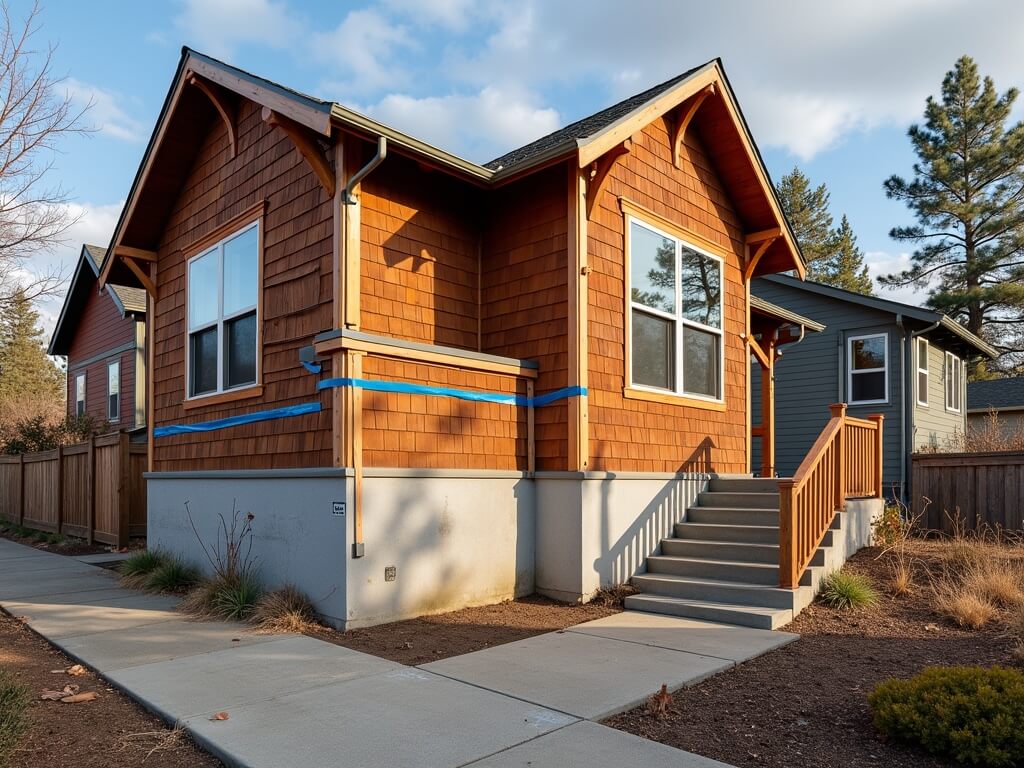
The (Not-So-Simple) Feasibility Check: Can Your Basement Be Converted?
Before we talk paint colors or income from a tenant, you have to ask: Is the space actually suitable?
Here’s what a good contractor looks at first:
- Ceiling Height: In Oregon, it generally needs to be at least 6’8"
- Structure: Foundation, framing, floor systems—all must pass inspection
- Natural Light & Egress: Enough daylight and emergency exits (often via large windows or walkout)
- Insulation Condition: Many basements lack proper thermal envelopes
- Stairs: Safe, code-compliant, ideally landing into a public area
- Moisture Intrusion: Any history of water? Must be resolved before moving forward
Even if everything above checks out, zoning can still trip you up.
For example:
- Bend may require parking accommodations for new units
- Setback restrictions could block any exterior stairwell prep
- Building in a floodplain? Conversion options might be outright denied
And here’s where surprises hit your budget.
Most Oregon homes built before the 1970s weren’t designed with future basement living in mind. That means:
- No egress windows? Cutting concrete for one can cost $3,000 to $6,000
- Low ceilings? Digging out and under the slab (called underpinnings) will run $40,000+
- No moisture barrier? That’s a whole other can of worms...
The upside?
Oregon’s Residential Specialty Code allows alternate approaches for older homes. If your house was built before 1977, there’s flexibility—but only if you know how to apply it during design and permitting.
Key takeaway:
Not every basement is convertible out of the gate. But smart planning (and a contractor who knows their codes) can unlock more than you’d expect.
Legal Doesn’t Mean Complicated: How Permits in Bend Actually Work
Here’s the truth: Permits are mandatory.
Doesn’t matter if it’s “just a guest room” or a future Airbnb—if you plan to legally use your basement as livable space, the entire process must be built to code and approved by the city.
That includes:
- Building permits
- Plumbing permits (if you’re adding a bath or laundry)
- Mechanical and electrical permits (even for heating or lighting upgrades)
Submitting plans involves structural drawings, floor layouts, and demonstrating how you’ll meet egress, ceiling height, insulation, ventilation, and moisture control.
It doesn’t have to be stressful, though.
Most licensed contractors in Bend use Oregon’s e-permitting platform. It allows digital submissions, reviews, corrections, and scheduling inspections all in one spot.
One super important tip:
Always check for prior permit work on the home. I ran into a situation years ago in Midtown where a seller claimed a finished basement was permitted. It looked great—but a permit records search showed no history. When the buyer did their inspection, the appraiser flagged the basement as non-conforming. The sale almost tanked.
Moral: If you're buying, check past permits. If you're converting, file new ones properly.
Key Point:
Permits aren’t optional in Oregon—not if you want to legally live, rent, or sell that finished basement.
You Can Win (or Lose) the Whole Game with Moisture Control
Let me be blunt: Moisture is the #1 killer of basement conversions.
Even when it’s not raining, the soil retains moisture. Basements act like bowls—if you don’t waterproof them, every single square inch is vulnerable.
Here’s what happens when moisture control is ignored:
- Mold behind drywall
- Damp, musty smells
- Swollen baseboards or ruined flooring
- Rodent interest
- Degradation of wood framing and finishes
Health-wise, mold and poor air quality can actually make occupants sick. Oregon law requires remediation in severe cases—and your insurance likely won’t cover mold damage from poor construction.
So what do you do?
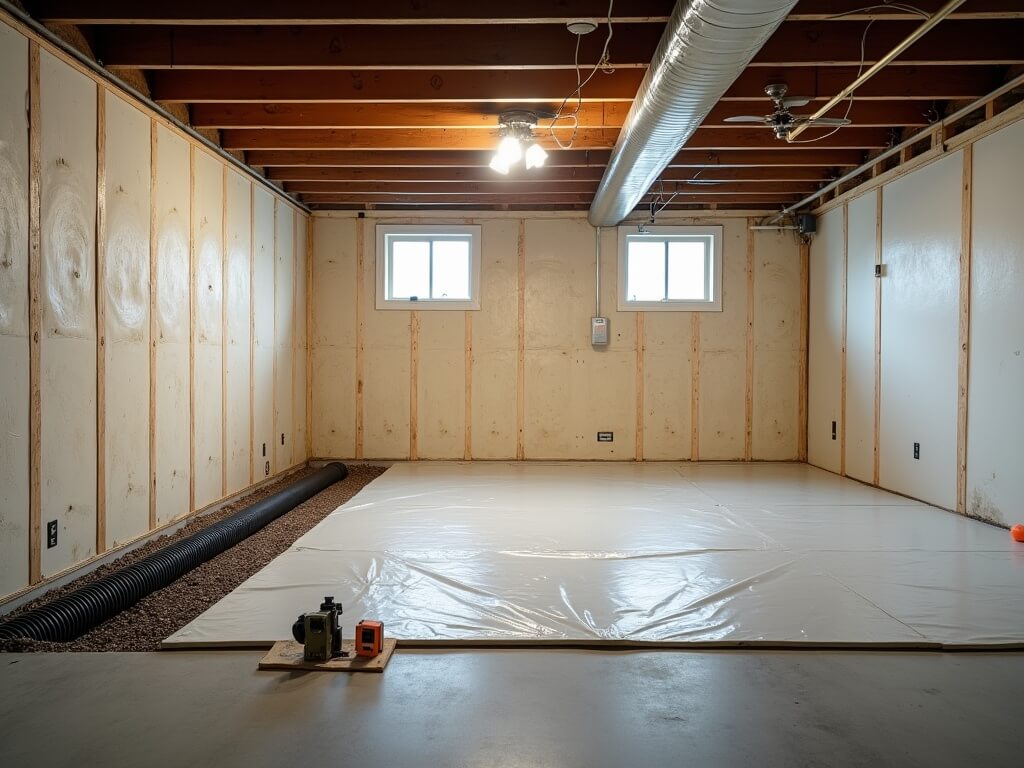
Smart contractors don’t skip steps here. At DCR Northwest, for example, we apply a layered strategy:
- Install vapor barriers before treating or insulating any walls
- Seal foundation cracks with purpose-built polyurethane sealants
- Regrade the landscape outside the home to slope away from basement walls
- Add perimeter drains (if needed) to redirect groundwater
- Design the basement with materials that tolerate mild humidity—like foam insulation and moisture-resistant drywall
Here's a story from Redmond that stuck with me:
A homeowner did a “partial conversion” on their own to save money—painted the walls, laid luxury vinyl plank, even installed smart lighting. Looked incredible at first.
Six months later, the drywall bubbled. Floorboards cupped. When we cut open the wall, it smelled like an old gym locker. No vapor barrier. No drainage strategy. Total redo.
Effective moisture control up front saves tens of thousands later.
Moisture plan = non-negotiable.
Ventilation: The Secret Sauce Most People Miss
You could have the tightest waterproofing on the planet and still create a damp, unhealthy basement—if there’s no airflow.
Oregon code requires certain minimum ventilation rates. For example:
- Crawlspaces = at least 1 square foot of vent per 150 square feet of space
- Living basements = mechanical ventilation often mandatory
But just hitting code isn’t enough—especially with all the rain and seasonal condensation we get in this region.
To keep air dry and healthy inside your new space, we often recommend:
- HRVs (heat recovery ventilators): They bring in fresh air and warm it using interior temps
- ERVs (energy recovery ventilators): Same idea, but they also manage humidity
- Quality dehumidifiers: Not the tiny ones from Amazon—units rated for basements
- Spot ventilation fans in bathrooms, laundry areas, or cooktops
- Controlled fresh air intakes that don’t accidentally pull in moldy air
When selecting these systems, your contractor should size them correctly to your square footage and use.
Some homeowners ask if window wells are enough. Truthfully, they help in daylight and airflow—but they don’t replace active drying tools in winter or shoulder seasons.
Summary:
Good ventilation equals dry air, less mold, safer breathing, and longer-lasting finishes.
Radon in Oregon? Yup, That Happens Too
One wildcard few expect—radon.
Certain counties in Oregon, including Deschutes, have flagged radon levels that exceed EPA safety limits indoors.
If your home sits in a high-risk zone, your contractor should perform a radon test before beginning the build. If it’s above 4 pCi/L (the danger threshold), they’ll integrate a radon mitigation system—usually a passive pipe venting system from below the slab out the roofline.
Costs for this usually range from $1,200 to $2,000 and can be tied into moisture and ventilation planning.
Is it required? Not always.
Should you still do it? Absolutely yes—especially if you plan to sleep or rent the space.
Next up, I’ll break down the exact legal process of converting a basement in Oregon—from Bend permitting to code minimums and ADU options. That’s where most homeowners either play it smart… or get stuck halfway.
The Legal Blueprint: Making Your Basement Conversion 100% Compliant
So let’s say you’ve waterproofed like a pro, nailed the ventilation, and you're ready to move forward.
Congrats… but don’t skip the final boss: the legal side.
Even with the best contractors and plans, if the finished space doesn’t meet Oregon’s Residential Specialty Code (ORSC) and local Bend zoning rules, it’s a non-starter. Or worse—an illegal conversion that will haunt you during appraisals, inspections, and insurance claims.
Baseline Code Checklist (Know These or Risk Redoing Everything)
The city of Bend and Deschutes County stick closely to ORSC—so your contractor needs to be fluent.
Here are the big ones we always double-check during planning:
- Minimum finished ceiling height: Usually 6 feet 8 inches. Bulkheads and beams? Your inspector will check those, too.
- Egress: At least one emergency exit, often in the form of an egress window or exterior door. Must have a net clear opening of 5.7 square feet.
- Insulation: Minimum floor, wall, and ceiling insulation meets both comfort and energy code.
- Stairs: Rise, run, handrails and headroom all must meet specific dimensions. Dead spaces under stairs often need fire-rated construction.
- Room size requirements: Bedrooms, in particular, cannot be less than 70 square feet with proper ceilings.
- Window glazing & ventilation: Yes—even the type of glass and minimum openable area are defined.
- Heating: Portable space heaters are not acceptable. You’ll need a real HVAC solution or zone-based heating.
Each category affects final occupancy approval. Miss just one, and you’re looking at red tags or endless revision cycles.
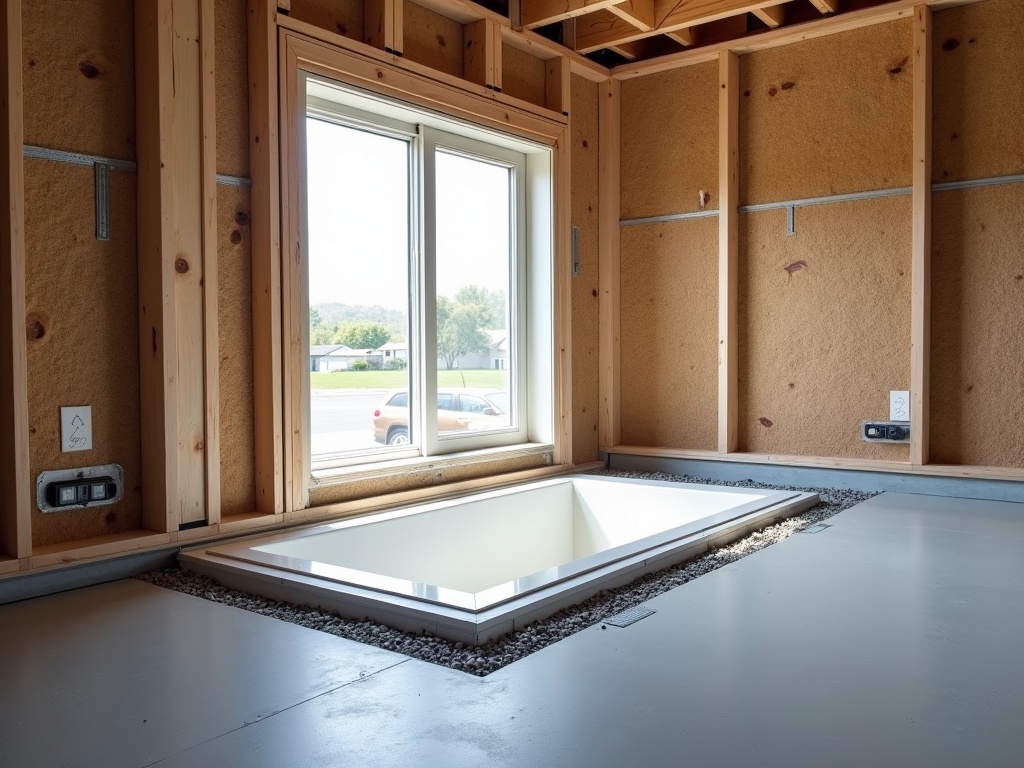
One mistake we see constantly?
Celebrating when plan sets are accepted—but forgetting that final inspections matter just as much. The inspector doesn’t care how pretty your space looks. They want to see code compliance in framing, insulation, mechanical systems, and especially exits.
Real example?
We once had a client who passed all structural and finish inspections—only to fail final because their egress ladder didn’t meet grip spacing.
Lesson?
“Close enough” is not good enough when it comes to legal livable space.
Zoning: The Rules That Change Block by Block
Most people underestimate how much zoning drives what you can or can’t do.
And it’s not just about plot size—it’s:
- Parking requirements
- Maximum lot coverage
- Setback distances from lot lines
- Floodplain overlays
- One-dwelling-per-lot restrictions (unless ADU rules kick in)
Think zoning doesn’t matter? Try adding an exterior entrance or walkout stairwell without checking side setbacks. You might get halfway into excavation before finding out you’re violating the required 5’ distance from your neighbor’s line.
Here’s how we get ahead of this at DCR Northwest:
- Pull property reports on flood zones (like FEMA maps)
- Double-check Bend’s GIS layer for overlays or hazards
- Pre-validate design choices against zoning chart codes (Chapter 3 of the Development Code)
Building an ADU in Your Basement? Here’s What Changes.
Great news: Oregon loves Accessory Dwelling Units (ADUs) right now.
Thanks to statewide legislation passed in 2018 and updated in 2020, nearly every residential lot in Bend is now eligible for some kind of ADU.
This includes:
- Full basement ADUs with kitchens, baths, beds
- Junior ADUs (JADUs): smaller units under 500 square feet inside a primary dwelling, shared utilities
But there’s a catch.
Local governments still call the shots on implementation. That means:
- You’ll need independent permits for the ADU use approval, not just construction
- Extra parking may be required unless you're in a high-density zone waiver area
- System Development Charges (SDCs) could apply—fees levied by the city for adding load to public utilities
At DCR Northwest, we help clients run cost analyses before jumping in. You might be able to finish the basement as livable space inexpensively—but once you route plumbing for a second kitchen, you’re in ADU territory, with higher permitting scrutiny.
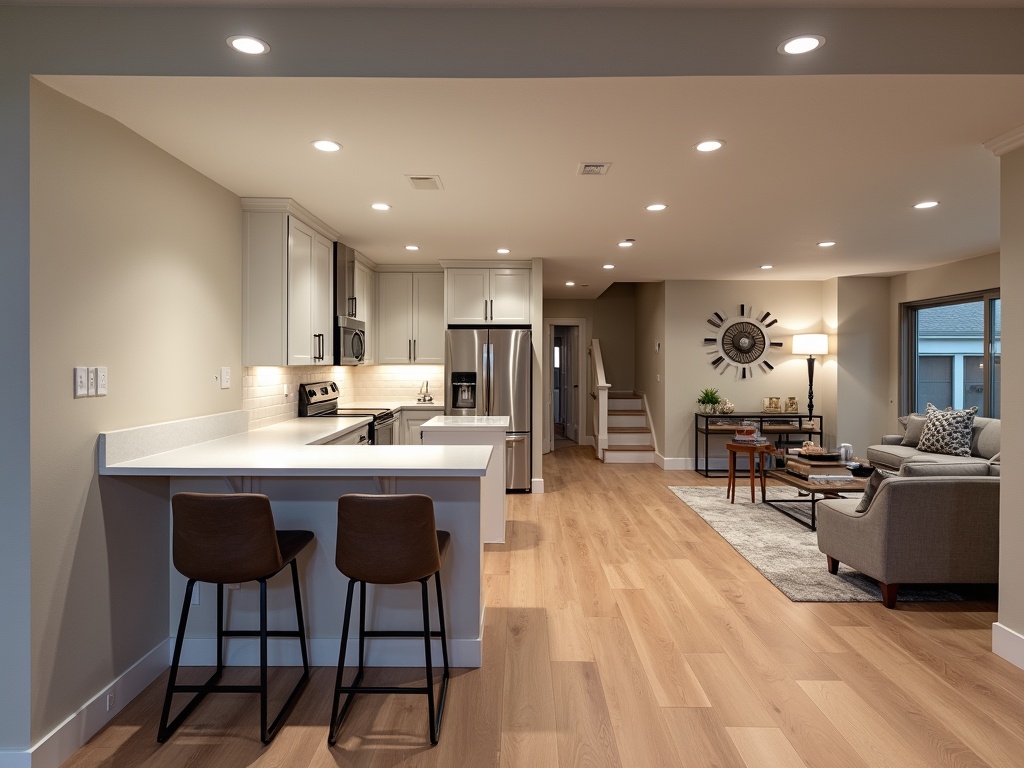
Some ballpark numbers I often share:
- Basic basement conversion permit package: $1,000–$4,000
- Full ADU conversion: Often $10,000+ in fees alone (including SDCs)
Still, the rental income potential is huge. Market averages in Bend? As much as $1,200–$2,000/month for a basement ADU.
Smart play? Start clean. Design the conversion for an ADU—even if you’re not renting today. It builds future flexibility into the footprint.
Code Problems That Kill Basements (Before They Start)
Quick lightning round of the top pitfalls we’ve had to fix—in other words, the things that sink DIYers or even poorly guided contractors:
- Headroom Offense: Hitting 6’8" in an old staircase? Good luck without extensive reframing.
- Fake Egress: Having a window that “looks big enough" but doesn’t meet net clear opening.
- No Mechanical Plan: Heating and dehumidification left as afterthoughts.
- Floor Slope & Drainage Neglect: Water always finds the low point. If yours is carpeted, that’s where it’ll end up.
- Mold Behind Insulation: Batt insulation straight against an unsealed concrete wall? That’s a mold farm in slow motion.
My advice?
If your contractor isn’t checking these boxes during the design phase—before demo—they’re not doing right by you.
Red Flags Before You Hire Anyone
Last piece of real talk.
There are hundreds of "remodelers" out there who can drywall a room or lay luxury vinyl. But legally converting a basement in Bend? That’s a completely different league.
Here are a few signs your contractor may not be qualified:
- They can't explain local egress code or ORSC sections on moisture control
- They recommend skipping permits “to save time”
- They don’t check previous home permits from the city
- They don't mention zoning restrictions upfront
- They don’t use formal design software or supply architectural plans
At DCR Northwest, we’ve fixed too many basements that were “finished” but never legalized—causing massive trouble when homeowners try to refinance, Airbnb, or sell.
Want a blueprint for a winning project?
Use a contractor that knows Bend’s rules, Oregon’s code, and how real-world basements behave.
We design, permit, build, and inspect with city approvals baked into every step.
That’s why we say: Build it once. Build it legal. Build it right.
Final Takeaway: What Counts Above All Else
If there’s one thing I’d drive home, it’s this:
Basement conversions aren’t just about adding value or hosting in-laws.
They’re about safety, legality, and longevity.
Especially in Bend and surrounding areas like Redmond, and Sisters—where zoning, weather, and legacy homes throw just enough curveballs to derail a simple plan.
But with the right team, the right design, and a sharp focus on moisture control, ventilation, and legal codes?
You can take that dark old basement and turn it into the most valuable square footage in the house.
If you're considering a basement conversion project—or building an ADU beneath your own feet—give us a shout.
We’re DCR Northwest.
We specialize in legal, code-compliant basement conversions in Bend and beyond.
Contact:
Call us at 541-699-2502
Or email matt@dcrnorthwest.com
Because the fastest way to a livable, rentable, and long-lasting basement in Central Oregon… is with an expert basement conversion contractor in Bend, Oregon.
