Aging-in-Place Remodeling: Transforming Bathrooms with Barrier-Free Showers for Long-Term Accessibility
Most homes aren’t designed for aging safely—but with thoughtful upgrades like barrier-free showers, non-slip floors, and smart lighting, you can create a stylish, sustainable space that supports independence, comfort, and long-term savings. This guide shows how aging-in-place remodeling transforms your home into a future-ready sanctuary—without sacrificing beauty or breaking the bank.
Ever wondered if your home will still work for you 10, 20, or even 30 years from now?
Aging-in-place remodeling is exactly about that—turning your home into a space that grows old with you, safely. And frankly, most homes in Bend, Oregon just aren’t prepared. Let’s fix that.
Aging doesn’t knock on the door with a warning. One morning you're up with no issues, the next, a slick bathroom floor becomes a fall hazard. I’ve seen it happen. A client in NW Crossing called us after her mom slipped getting out of the tub. Not even 70, and suddenly dealing with cracked ribs. That’s when I knew we needed to start talking about aging-in-place earlier—not after the fall.
Here’s where we start.
Keep Living on Your Terms: Why Aging-in-Place Isn’t Just Trendy
Aging-in-place remodeling isn’t about surrendering your style for sterile hospital vibes.
It’s about keeping your independence without sacrificing beauty or comfort.
The core idea? Redesign your home so you can live in it longer without needing to move into senior care.
Top 3 benefits of aging in place:
- Lowers lifetime cost by avoiding assisted living
- Boosts daily comfort and sense of control
- Reduces fall risk and household injuries, especially in bathrooms
Most people in places like Sisters and Redmond don’t think about this until it’s too late.
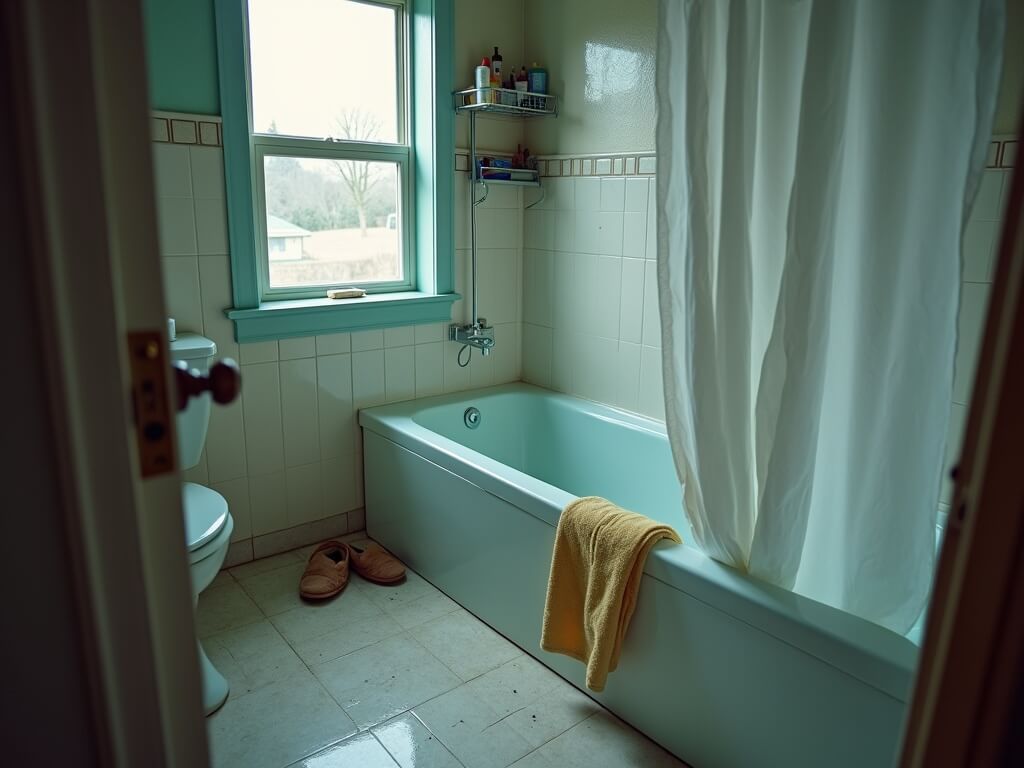
Here’s a stat that really woke me up: Over 80% of falls for adults over 65 happen at home. Bathrooms are ground zero. Slippery floors. Steep tub edges. Tight spaces. All bad news.
Key takeaway: You don’t wait until you need it—remodel early and live safer, longer.
The Bathroom: The Most Dangerous Room in the House (And How to Fix It)
If you ask me, no aging-in-place conversation is serious if it skips the bathroom.
It’s the most fall-prone area and the most fixable. That’s why we prioritize it in nearly every custom home remodel we do in Bend and surrounding areas.
The big upgrades?
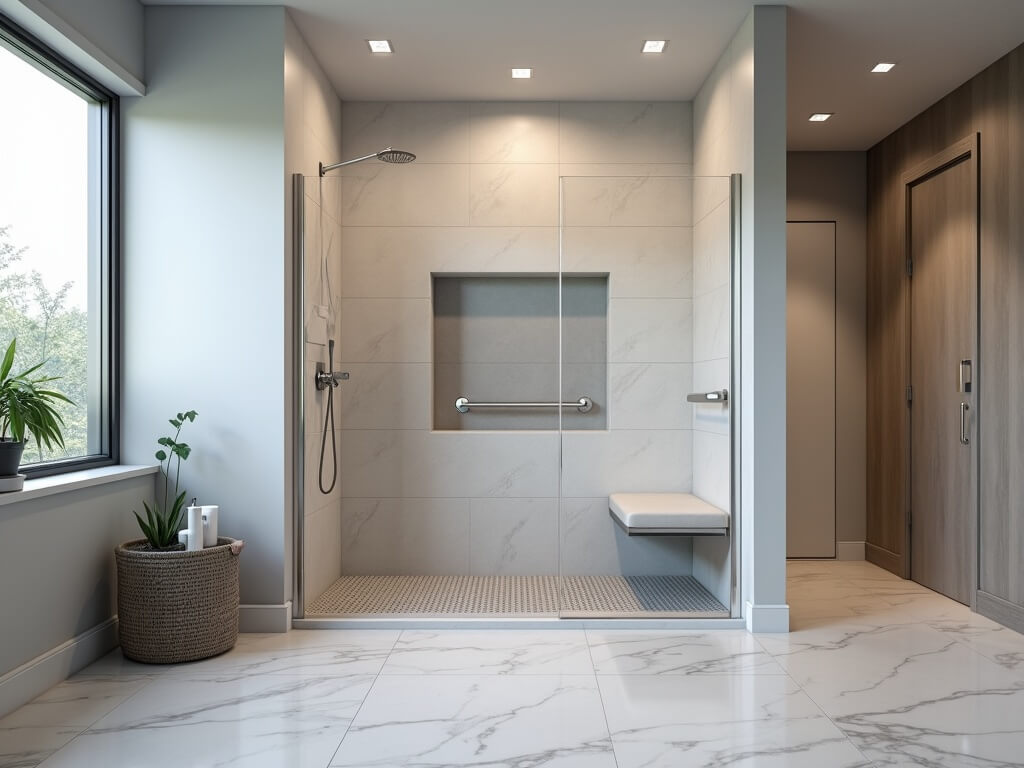
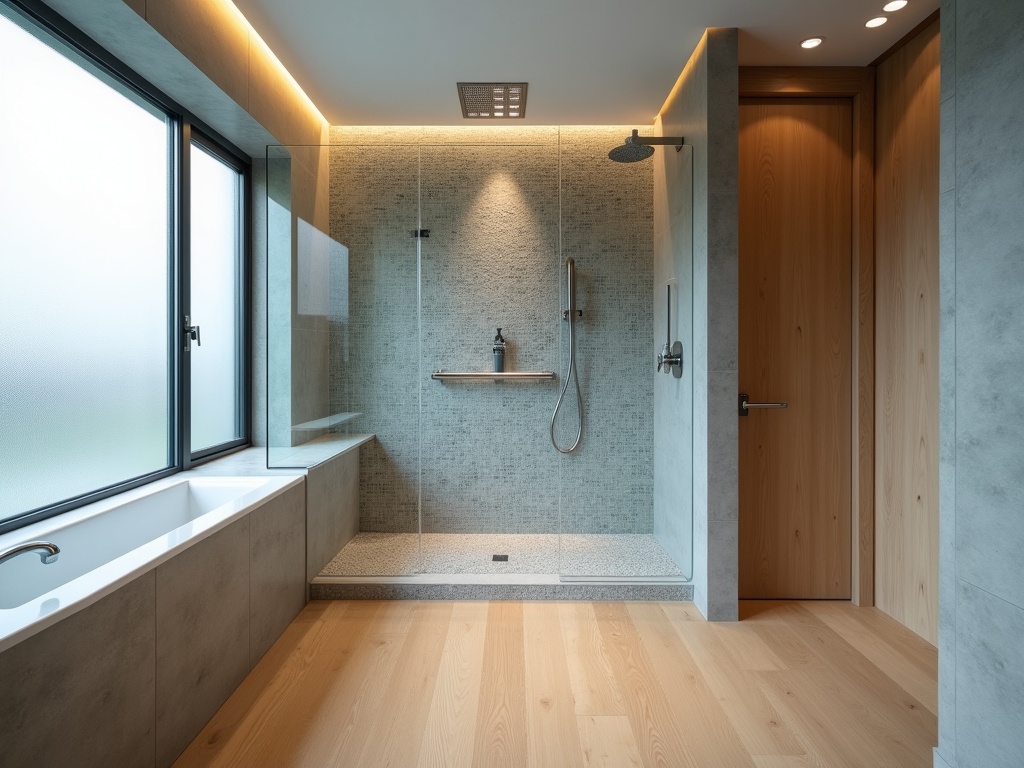
- Barrier-free showers (zero-threshold = zero tripping hazard)
- Non-slip flooring
- Grab bars near toilet, shower, and walls
- Widened doors so walkers or wheelchairs glide through
And don’t worry—these aren’t ugly fixes. Walk into a well-designed safety-focused bathroom today and it looks like a modern spa, not a clinic.
In one Sisters remodel, we designed a full barrier-free bath with Italian tile—sleek, open, nothing institutional looking. The homeowners were thrilled, and now they say guests always compliment the design. Form and function can absolutely live together.
Key takeaway: Fix the bathroom first. It’s the highest risk, and the easiest ROI in terms of safety.

Barrier-Free Showers: The One Upgrade That Changes Everything
This isn’t hyperbole.
Installing a barrier-free shower is hands down the most effective aging-in-place feature in any bath remodel.
Why?
- No curb or lip—nothing to step over, minimizing tripping
- Wheelchair, walker, or knee scooter can easily roll in
- Looks clean, modern, and streamlined
- Easy to maintain, especially when paired with good drainage
Here’s what the design calls for to do it right:
- Zero-threshold entry—floor should be flush across the whole bathroom
- Wide entry (minimum 36 inches) for equipment and caregivers
- Non-slip mosaic or textured tile for foot grip
- Proper slope toward the drain (minimal but critical)
- Durable materials like marine-grade backing and waterproof membranes
When we install these in homes—from Redmond to Aubrey Butte—it changes how people live. A common fear I hear from homeowners is: “What if I hurt my hip and can’t step into the tub anymore?” With a zero-threshold shower, that fear disappears overnight.
Key takeaway: A barrier-free shower isn’t optional for aging-in-place. It’s the core.
What It Really Takes to Install a Barrier-Free Shower (No Corners Cut)
Let’s be honest—installing a barrier-free shower is not a weekend DIY job. If it was easy, every home would have one.
Here’s what we do when we retrofit these in bathroom remodels:
Step 1: Prep the space
We level the subfloor, re-frame if needed, and remove any blocking elements. Demolition is cleaner when you know what to look for. The floor must slope gently toward the drain without dips.
Step 2: Drainage and waterproofing
We use a center or linear drain, depending on client preference. Silicone-based adhesives and waterproofing membranes seal the deal—no leaks, no mold.
Step 3: Tile or one-piece base?
Custom tile? Beautiful—adds value visually. One-piece base? Easier maintenance. We help clients choose based on function, budget, and look.
Step 4: Add built-ins
We often integrate a shower bench and wall niches for toiletries. No bending, no clutter.
Every bathroom is different. Older homes in Bend might have subfloors that need extra work or plumbing that’s not where you want it. That’s where having an all-in-one design and build team is a game-changer. You don’t get stuck between a designer’s dream and a contractor’s headache.
Key takeaway: A great barrier-free shower works with your home’s bones—not against them. Prep and planning are everything.
Small Upgrades, Big Payoff: Other Must-Haves for Bathroom Safety
After the shower, we move on to the details that make every day safer.
Don’t underestimate how these subtle changes add up:
- Grab bars: Near the toilet and inside the shower. Installed into studs, not drywall.
- Non-slip flooring: We use textured tile with a matte finish. Wet feet? No problem.
- Comfort height toilets: 17 to 19 inches high = easier on knees and hips
- Bright lighting: Fewer shadows mean fewer accidents. We add motion sensors, too.
- Wider doorways: 36 inches minimum. It’s a smooth move-in if ever needed.
We had one client in Redmond who initially said, “I don’t need all that yet.” We made a few convincing points, and now? Her friends call her bathroom “the guest suite they want to copy.”
Key takeaway: Safety doesn’t have to shout. Design it right, and it blends in perfectly.
Coming up, we’ll break down long-term planning, budget-saving tricks, and the future tech shaking up aging-in-place…
Future-Proofing Your Space: Budget-Smart Moves That Save (Big) Later
People always ask, “What’s the ROI of remodeling for aging in place?”
Short answer? If you compare the cost of an aging-in-place remodel to just one year in assisted living—on average, $54,000 in Oregon—it pays for itself fast.
But there’s a smarter way to budget than going all-in all at once.
Here’s how we help homeowners in Redmond or NW Crossing remodel right—and right on budget:
Start with high-impact zones
Think barrier-free shower, non-slip floors, lighting. Prioritizing areas that impact safety and mobility is key. Explore our bathroom remodeling services
Phase upgrades
Maybe start with the bathroom this year, the kitchen next. We often build 3-year plans that align with cash flow and real-life needs.
Reuse where it makes sense
Not every upgrade calls for demolition. Sometimes refacing cabinets or converting an existing tub nook saves several thousand dollars. Learn how to budget your bathroom remodel
Use universal design as your base
Wider hallways, lever handles, smooth thresholds—they work now and later, no matter your age.
We had a client in Aubrey Butte—we’ll call him Dave—who wanted to remodel for future needs but didn't want to sacrifice style or blow his retirement fund.
We mapped it out: bathroom first, minor kitchen layout changes the next year, and upgraded lighting/doorways last.
Now? Dave's home looks stunning, and he hasn’t had to dip into savings for upgrades that would’ve cost double as emergency projects.
Key takeaway: Aging in place isn’t a one-time splurge. It’s about smart, staged investing in your home’s (and your) future.
Let Tech Keep You Safer (and More Comfortable) Than Ever
Everyone talks about Smart Homes—but few link them to aging in place.
That’s a missed opportunity, because today’s tech doesn’t just make life convenient—it keeps you independent longer.
Here are the upgrades we’re building into more aging-in-place remodels in Sisters and beyond:
- Motion-sensor lighting: Never fumble for a switch at night again.
- Voice-controlled assistants: “Turn on shower lights” or “Call daughter” with Alexa or Google Home.
- Smart thermostats: Adjust the heat from your phone or by voice.
- Water leak detectors: Spot plumbing issues before they flood your bathroom.
- Fall-detection sensors: Integrated with wearables or floor mats for peace of mind.
When paired with a Certified Aging in Place Specialist (CAPS), we design all these elements to be invisible—but powerful.
Tech doesn’t have to look futuristic to work for you. Installed right, it blends in seamlessly and makes your home smarter, safer, and simpler.
Key takeaway: Integrate baseline smart features while remodeling—small spend, huge long-term payoff.
Why Most Homes Aren’t Ready—and Why Sustainable Materials Matter
We’ve remodeled a lot of homes around Central Oregon—from 1970s ranches in Redmond to new builds in NW Crossing.
And no matter the age? Most homes aren’t ready for aging in place.
Especially when it comes to bathroom waterproofing, space for mobility devices, and lighting upgrades.
And here’s something most skip: The materials you choose now matter decades from now—both for durability and sustainability.
Some of the materials we often recommend:
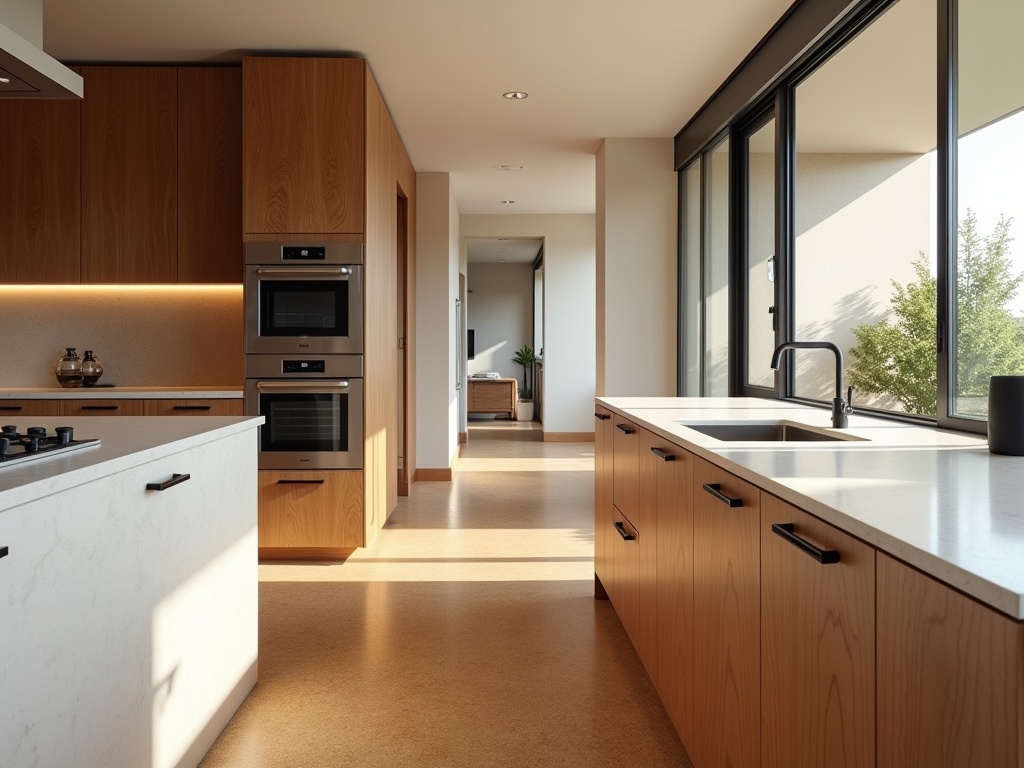
- Bamboo or cork flooring: Softer underfoot and renewable.
- Zero-VOC paints: Healthier indoor air—especially for older adults.
- Silestone and solid-surface countertops: Less maintenance, more durability.
- Recycled glass or porcelain tiles: Stylish, sustainable, and non-slip.
We had a remodel in Sisters where the homeowners requested materials they’d never have to replace. We used FSC-certified cabinetry, no-threshold shower tile made of recycled content, and a touchless faucet that cut water waste in half.
Design that lasts—for people and for the planet.
Key takeaway: Remodeling for aging in place? Make it last, and make it sustainable. You shouldn’t have to do it twice.
Trust the Pros Who Know: Why CAPS and Design-Build Teams Matter
You wouldn’t trust your health to someone unlicensed—your home’s no different.
That’s why we always advise homeowners starting this journey to work with a Certified Aging in Place Specialist (CAPS)—someone trained to anticipate aging needs 5, 10, or 20 years down the line.
At DCR Northwest, we don’t just remodel—we future-proof.
Being a full-service design-build team means everything runs together: vision, functionality, budgeting, and build. No surprises mid-project, no “that’s the contractor’s problem.”
Why that matters:
- Design meets real-world construction limits—no rework.
- You plan for aging, not just aesthetics.
- You save time: one contract, one team, under one roof.
- You avoid costly retrofits down the road.
We once had a client in NW Crossing who brought us in after a “standard” remodel left their bathroom still not wheelchair accessible. We reworked the whole space with a zero-threshold shower, 36-inch doorways, and reoriented the toilet to allow side-access for a caregiver.
Key takeaway: Hire people who specialize in aging-in-place—your future self will thank you.
Your Forever Home Starts Now
This isn’t just about avoiding a fall someday.
This is about owning your choices, living comfortably, and staying in the place you love—whether that’s in Sisters, Redmond, or on a quiet corner of Aubrey Butte.
Let’s turn your home into the supportive, stylish, safe space it needs to be—not “someday,” but now.
Call us at 541-699-2502 or email matt@dcrnorthwest.com to start your aging-in-place remodeling plan.
Because when done right, aging-in-place remodeling doesn’t feel like a compromise.
It feels like freedom.
