Earthquake Retrofitting Bend OR: Ensure Structural Reinforcement for Older Homes to Minimize Risk During an Earthquake
Many Awbrey Glen homes in Bend, OR face hidden earthquake risks due to outdated construction and local fault lines, but cost-effective retrofits—like bolting, bracing, and structural reinforcement—can dramatically improve safety, boost resale value, and offer long-term peace of mind. DCR Northwest guides homeowners through inspections and upgrades, turning vulnerable structures into resilient homes ready for the next big shake.

If you’ve ever wondered whether your Awbrey Glen home can stand up to an earthquake, you’re definitely not alone.
In fact, most homeowners I talk to around Bend, Oregon ask the same thing — “I know we’re inland… but am I really at risk here?”
Short answer: yes.
Let me explain why, and what you can do about it if your home wasn't built with earthquakes in mind.

Why Bend OR Homes Are Quietly at Risk (Yes, Even Yours)
Bend sits east of the Cascades, far enough from the coast that many locals assume we’re in the clear when it comes to seismic activity.
That’s a dangerous assumption.
We may not shake as often as Portland or Eugene, but we’re still influenced by the Cascadia Subduction Zone — a massive fault that runs offshore from Northern California to British Columbia.
It's not just some distant coastal threat, either.
There are also active fault lines closer to home throughout Central Oregon that scientists have started taking more seriously over the past decade.
Here’s what matters:
- When faults go quiet for long periods, tension builds
- When that tension finally releases, the shaking gets worse
- Bend is full of older homes that weren't designed to resist that kind of shaking
So it may not happen tomorrow. But one big Cascadian or High Desert quake, and unreinforced homes could suffer huge damage — even total collapse.
Takeaway: Think of seismic risk in Bend like fire insurance. Low odds. But massive consequences. That’s why many homeowners here are taking proactive steps to retrofit.
Why Awbrey Glen Should Pay Extra Attention
Awbrey Glen homes have a few characteristics that bump them up the risk list.
Most of the homes here were built between the 1980s and early 2000s. On the surface, that's fairly recent — but many of those homes still predate current seismic best practices.
Even newer homes aren’t exempt if:
- They have tall crawlspaces or daylight basements
- They sit on sloped or terraced lots (common on Awbrey Butte)
- There’s no solid connection between the house and the ground
I’ve inspected dozens of crawlspaces in Awbrey Glen.
Some have zero mudsill bolting. Others? Cripple walls with open studs and no bracing — just waiting to collapse sideways once the ground starts rolling.
And because Bend’s housing market is heating up, we’re seeing buyers start to ask, “Has this home been retrofitted?”
Documented retrofits improve resale value and can reduce long-term insurance premiums.
Translation: safer for your family, and more appealing to your future buyers.
How Earthquakes Actually Damage Homes (And What Stops That)
Here’s what most people don’t realize:
Homes don’t usually collapse because the earth opens up and swallows them whole.
They collapse because of how shaking transfers through the structure.
The science is pretty straight up:
- Ground starts shaking
- The foundation moves
- If the home isn’t tied down, it slides, racks, or topples
That’s where the concept of a continuous load path comes in.
You want every part of your house — from the roof to the walls to the foundation — tied together in a way that transfers force cleanly and minimizes break points.
If any part isn’t connected properly, energy builds and releases violently. That’s when you get cracked foundations, collapsed cripple walls, or full-on structural failure.
Pro tip: The most affordable retrofits add that missing connection. And once they’re installed, you don’t usually have to touch them again for decades.
How to Know If Your Awbrey Glen Home Is at Earthquake Risk
Here’s a sobering stat: If your home was built before the 1990s in Oregon, chances are high it doesn’t meet modern seismic standards.
That doesn’t mean it's unsafe day-to-day. But it could crumble in the kind of shaking Portland and Bend are likely to see from the next big one.
Here are five red flags to watch for — either as a current homeowner or a buyer:
- Your home was built pre-1975.
- You don’t see any steel anchor bolts in your crawlspace.
- The cripple walls (short stud walls atop your foundation) are open-framed — no plywood bracing.
- You’re on a slope or hillside.
- You have a garage under a living area with big openings and not much wall.
DIY Crawlspace Check (Takes 10 Minutes, Costs $0)
Not ready for a full inspection just yet?
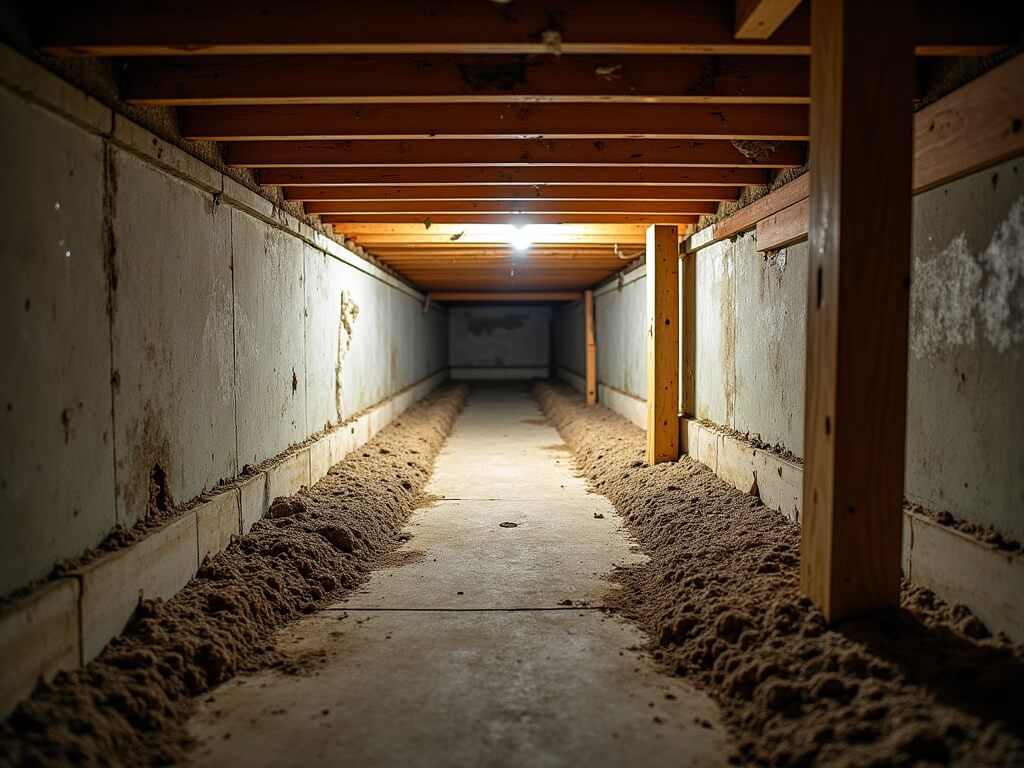
Grab a flashlight. Pop into your crawlspace or basement. Look around.
Here’s what you’re looking for:
- Concrete perimeter foundation: is it intact and continuous?
- Mudsill connection: see any steel anchor bolts or foundation plates spaced every 4–6 feet?
- Cripple walls: are they sheathed with plywood? Or just bare studs?
If you’re seeing lots of wood but not much metal, and no plywood sheathing, chances are your home isn’t strapped the way it should be.
Also look for:
- Floor sags or humps
- Doors or windows that stick
- Hairline cracks around interior trim or drywall
I once inspected a home in NW Crossing where the crawlspace looked like a game of Jenga — posts randomly spaced, no anchoring whatsoever. Turns out the original builder left out over half of the bolts. The fix cost under $5,000 and probably saved the home from future disaster.
Bottom line: a few bolts and braces in the right places go a long way.
When to Bring in a Structural Expert (And What They Actually Do)
Sometimes a quick visual check isn’t enough.
If you see multiple risk factors, or your home has unusual architecture (split levels, hillside construction, garage under living space), it’s time to get a structural pro involved.
Here’s how it works:
- A licensed structural engineer will assess the foundation, cripple walls, and framing connections
- They’ll check the continuity of the load path — from roof to footings
- They’ll identify any soft-story risks (big garage doors under second floors), sloped lot issues, or soil instability
The output?
You get a detailed report that outlines the retrofit scope, gives you a risk profile, and lists estimated costs.
Think of it like a health screening for your house. Catching issues early usually means cheaper fixes.
Seismic Retrofit Basics: How the Upgrade Actually Works
So what’s actually involved in earthquake retrofitting for Bend homes?
We usually focus on four main upgrades:
- Foundation bolting — anchors the wood framing to the concrete foundation so the house can’t slide
- Cripple wall bracing — adds plywood sheathing to brace those short stub walls between the foundation and main level
- Shear wall reinforcement — adds braced wall segments to stop lateral sway
- Hardware upgrades — hold-downs, metal straps, framing angles to tie the whole system together
Done right, all these components create what we call a continuous load path. That’s the seismic gold standard.
Add-on safety measures might include:
- Strapping the water heater
- Installing automatic gas shutoff valves
- Bracing tall cabinets or bookshelves
Local Codes & Permits in Deschutes County
Not everything needs engineering, but you do need permits once framing or hardware work begins.
Deschutes County has a pretty clear path for retrofits, especially if you’re sticking with prescriptive methods (pre-approved layouts and materials for simpler homes).
But here’s where it gets tricky…
If your home has:
- Tall cripple walls over 4 feet
- Split levels or complex additions
- Steep slope foundation systems
…you’re likely looking at an engineered retrofit plan.
Keep this in mind if you’re planning a kitchen remodel or ADU addition. DCR Northwest offers full design+build support, and we often loop in seismic upgrades during big interior projects, especially if you’re opening up walls or digging into the crawlspace anyway.
Coming up next, I’ll break down structural reinforcement options that go beyond basic bolting and bracing — perfect for older homes with bowed walls, unlevel floors, or moisture-compromised foundations.
Reinforcement Isn’t Just for Arms — It’s for Foundations, Too
So you’ve done the bolts and braces. Good.
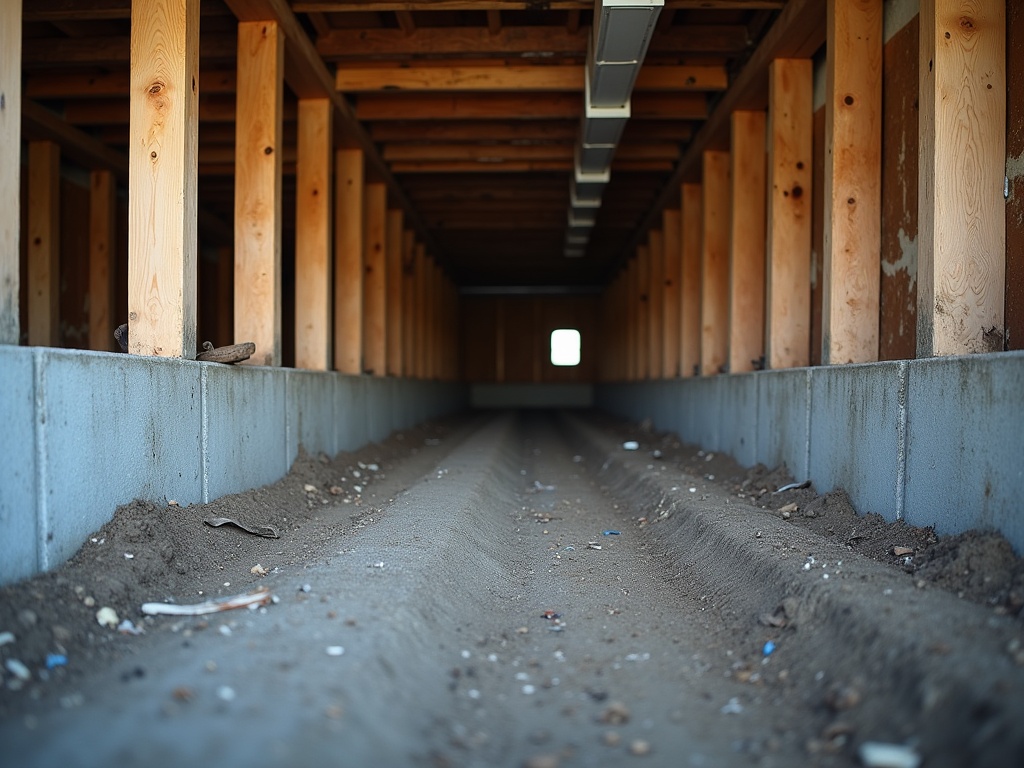
But what if your home has deeper structural flaws? Things like a crumbling stem wall, sagging floor joists, or a garage that looks like it’s holding on for dear life?
That’s where structural reinforcement comes in — and in older homes around Awbrey Glen, it's more common than you think.
Here’s what I’ve seen on the ground:
One client called us after they noticed doors upstairs sticking more and more each year. From the outside, the house looked fine. But once we opened up the crawlspace, we found undersized beams with a ¼-inch tilt — and a few stone piers literally sitting on bare dirt.
The fix?
- We installed helical piers under key load points
- Releveled the sagging floor system
- Added new posts with proper concrete footings
- Then layered in plywood shear panels over the cripple walls
Total cost? About the same as a new luxury sofa set.
Peace of mind when the ground shakes? Worth it every time.
Common Signs You Need More Than Just Basic Retrofitting
Watch for these structural red flags:
- Cracks in foundation walls, especially near corners or windows
- Uneven floors or “bounce” when you walk
- Bulging or leaning garage walls
- Sagging rooflines or visibly sloped window headers
- Rot in support posts from past moisture exposure
And especially if your home has had multiple remodels or DIY additions — those often disrupt the continuous load path without anyone realizing it.
The Reinforcement Stack: What We Use and Why
We don’t just wing this stuff. Every beam, bracket, or bolt is chosen based on load, slope, and the soil beneath your home.
Here’s our go-to toolkit for structural reinforcement in Awbrey Glen:
- Foundation piers (helical or push) to reach load-bearing soil when the native soil is weak
- Carbon fiber or steel wall reinforcements to stop cracks from widening or basement walls from bowing
- Concrete overlays or mudjacking to correct settled or cracked slabs
- Engineered beams and shear elements installed during remodels to carry loads properly
It’s not always about bulk. Sometimes an ⅛-inch steel bracket in the right place can prevent thousands in future damage.

When to Reinforce and Retrofit at the Same Time
If your foundation is shifting or soft, bracing above it is like building on Jell-O.
That’s why we often do both simultaneously — fix the foundation, then lock down the framing.
This saves you money in the long run, too. Because contractors (like us) can open up access once and do both scopes before sealing everything back up.
Want it simpler? Retrofitting is about keeping the house on the foundation. Reinforcement is making sure the foundation and structure hold up — even if the hill beneath them moves.
Here’s how we usually combine them:
- Helical piers + cripple wall bracing
- Wall anchors + shear wall segment installs
- Subfloor leveling + roof-to-wall straps
Earthquake retrofitting guidelines show that a complete strategy always pays off more than piecemeal patchwork.
How Much Is Safety Worth? Let’s Talk Dollars
Let’s get real — most homeowners want numbers.
Here’s the straight-up breakdown based on what we’ve seen the past few years in Bend and Awbrey Glen:
Standard Seismic Retrofit (bolting + bracing):
- Cost: around $2–$5 per square foot of crawlspace space
Structural Reinforcement Add-ons:
- Foundation piering: $3,000–$6,000 per pier depending on depth
- Wall stabilization: $5,000–$15,000 depending on length and material
- Full-level floor adjustments + beam install: $10,000–$25,000 (varies heavily by layout)
Factors that move the budget up:
- Finished basements or tight access
- Sloped lots with terraced foundations
- Homes needing engineered drawings and full permit reviews
We always start with what delivers the biggest bang for your buck — and what protects life safety first.
The Emotional ROI Most People Don’t Talk About
Here’s the part that rarely makes it into contractor brochures:
A couple in Awbrey Glen told me — after their retrofit and garage reinforcement was done — “We finally sleep through windstorms now.”
That’s the real ROI.
- Confidence during winter storms
- Safer exits during emergencies
- Better home value and buyer trust
- Possibly lower earthquake insurance premiums (confirm with your agent)
And the best? Once your seismic work is in, you typically never have to redo it.
It’s a one-time upgrade that protects your home's bones for decades.
Heads-Up: When Is the Right Time to Retrofit?
Now — but with a little strategy.
Why?
Because many retrofits are cheaper and easier when you’re already:
- Remodeling your kitchen
- Digging into your crawlspace for plumbing or electrical
- Doing foundation drainage or leveling work
We’ve done dozens of seismic upgrades during whole-home remodels in Bend. When drywall is coming down anyway, that’s the moment to improve your load path.
And if you’re planning an ADU on the property, your main home’s foundation may need to meet modern code before you get final inspection. We handle both at DCR Northwest — ADU builds and structural upgrades under one roof.
Awbrey Glen Soft Story? Fix That Garage Before It Fails
If there’s one flaw I see again and again in Awbrey Glen homes, it’s the classic soft-story setup.
You know the one: oversized garage door below a master bedroom. Almost no side walls. No shear panels. Massive earthquake risk.
And guess what?
Even homes from 2005 can have this issue.
Why?
Because until recently, building codes didn’t flag garages as a major seismic weak point. Now we know better.
What we do:
- Reinforce side walls with engineered shear panels
- Add hold-downs, tie-ins, and proper header bracing
- Sometimes pour new footings under shear panels if needed
The result: your garage doesn't act like a hinge if the earth moves. And your second floor stays up where it belongs.
Tidbit worth knowing: retrofitting soft-story garages can sometimes cut earthquake insurance premiums by 20–30% — check with your carrier.
The Future of Seismic Safety in Central Oregon
Bend’s growing fast. And so is awareness around seismic safety.
Here’s what’s coming down the pipeline:
- Possible state-wide financial incentives to help homeowners cover retrofit costs
- More insurance providers offering lower deductibles or discounts for documented upgrades
- Portable, modular testing systems to scan homes for seismic weak spots during inspections
- Even better hardware — from high-capacity anchor plates to carbon-fiber stiffeners that install in a day
We’re also hearing rumblings of local grants being piloted in Deschutes County for low-to-moderate income homeowners. If that happens, retrofitting may become more accessible to all.
Final thought? Earthquake retrofitting might soon become as common as radon mitigation or roof replacement in a real estate deal.
Key Takeaway: Secure homes sell faster, feel safer, and stand taller — literally.
Still Wondering If It’s Worth It? Here’s My Advice
If you live in Awbrey Glen and your home hasn’t been evaluated for seismic reinforcement — it’s time.
A basic inspection is affordable.
A retrofit is often cheaper than one month of vacation.
And done right, it preserves not only equity, but peace of mind.
We’ve helped dozens of local families navigate this — from soft-story fixes to full stem wall overhauls.
Whether you’re mid-remodel, thinking of selling, or just want to sleep better in a windstorm… we’ll walk your home, explain the options, and make it easier than you think.
Call or text DCR Northwest at 541-699-2502.
Or email matt@dcrnorthwest.com to schedule a crawlspace check or retrofit consult.
Your home deserves a solid foundation — in every sense of the word.
This is exactly why we specialize in earthquake retrofitting Bend OR homes like yours.
Explore more about our services and past projects:
