
Energy-Efficient Home Remodeling: Lower Heating Bills with Insulated Window Replacement Cost Analysis
Energy-efficient home remodeling in Summit West delivers lasting comfort, lower utility bills, and increased home value by focusing on airtight insulation, right-sized HVAC systems, and smart upgrades—guided by an expert-led energy audit to ensure every dollar maximizes performance. Discover how savvy homeowners are using rebates, tax credits, and thoughtful timing to futureproof their homes while reducing costs and environmental impact.
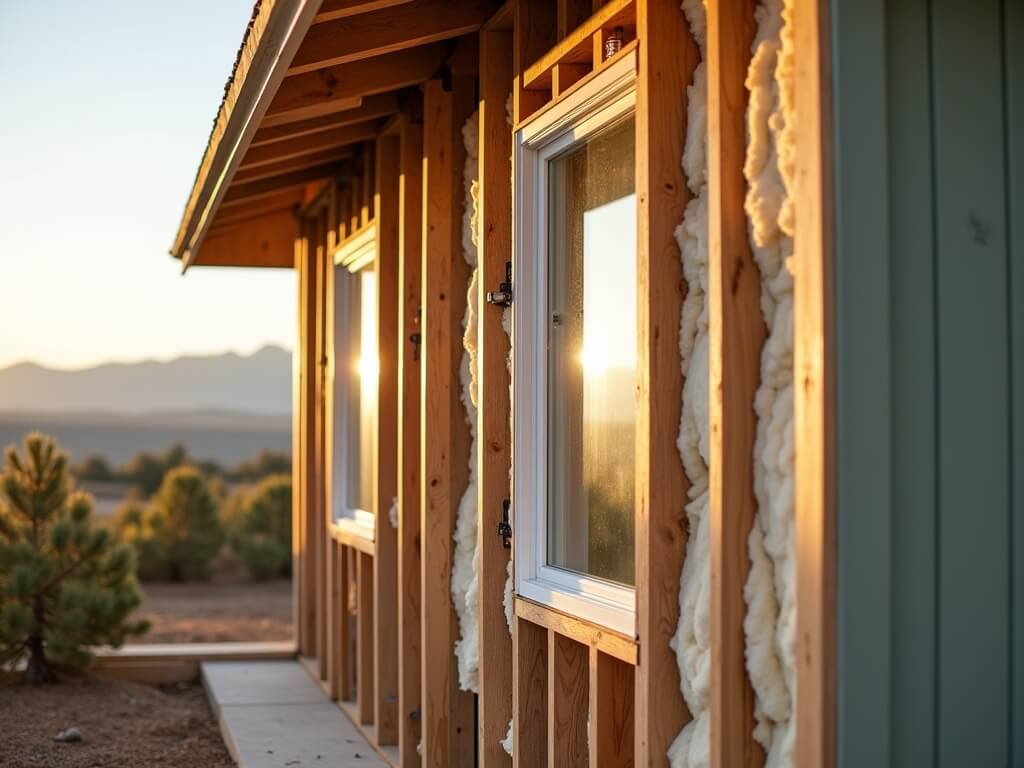
If you're paying way too much to stay warm in the winter or cool in the summer, you’re not alone. I’ve lost count of how many clients in Summit West tell me the same thing: “My house still has cold spots—even after upgrading the furnace!” That’s a hint you’re throwing money right out the window—literally.
Energy-efficient home remodeling in Summit West isn't just trendy—it can lower your energy bills, fix comfort issues, and shrink your home’s carbon footprint all at the same time.
Here’s how we tackle it head-on.
What Energy-Efficient Home Remodeling Actually Means
Most people think it just means new windows or maybe adding solar. It’s bigger than that.
Efficient remodeling is about reducing how much energy your home needs to stay comfortable year-round. Think of your home as a system made up of:
- The envelope: insulation, sealing, windows, roof
- Systems: HVAC, hot water heater, ducts
- Lighting and appliances
These parts all talk to each other. If you replace the windows but ignore the duct leaks in your attic, you won’t see the savings you hoped for. The upgrades should complement each other to get the best return.
Quick Summary:
Energy efficiency = smarter use of energy + better comfort + lower bills.
Why Summit West Homes Need Extra Efficiency Muscle
Summit West faces a tricky combo—freezing winters and hot dry summers. One month your heating system is cranking, the next you're cooling your bedroom just to sleep.
That means your remodeling should tackle both insulation and cooling efficiency at once.
Here’s how local homes lose money year-round:
- Under-insulated attics and crawlspaces
- Drafty wood-framed windows (especially north-facing)
- Oversized HVAC systems from the ‘90s that short-cycle like crazy
- Old hot water tanks constantly running—even when no one’s home
The good news? Upgrades like proper air sealing and right-sized heat pump systems can fix these all at once.
And while slashing heating bills is nice, energy efficiency also means no more cold floors in January or stuffy top floors in the summer.
Key takeaway:
Summit West climate demands envelope + HVAC upgrades for lasting comfort and cost control.
You Can’t Fix What You Don’t Measure: Get a Home Energy Audit
Before you upgrade anything, get your home tested.
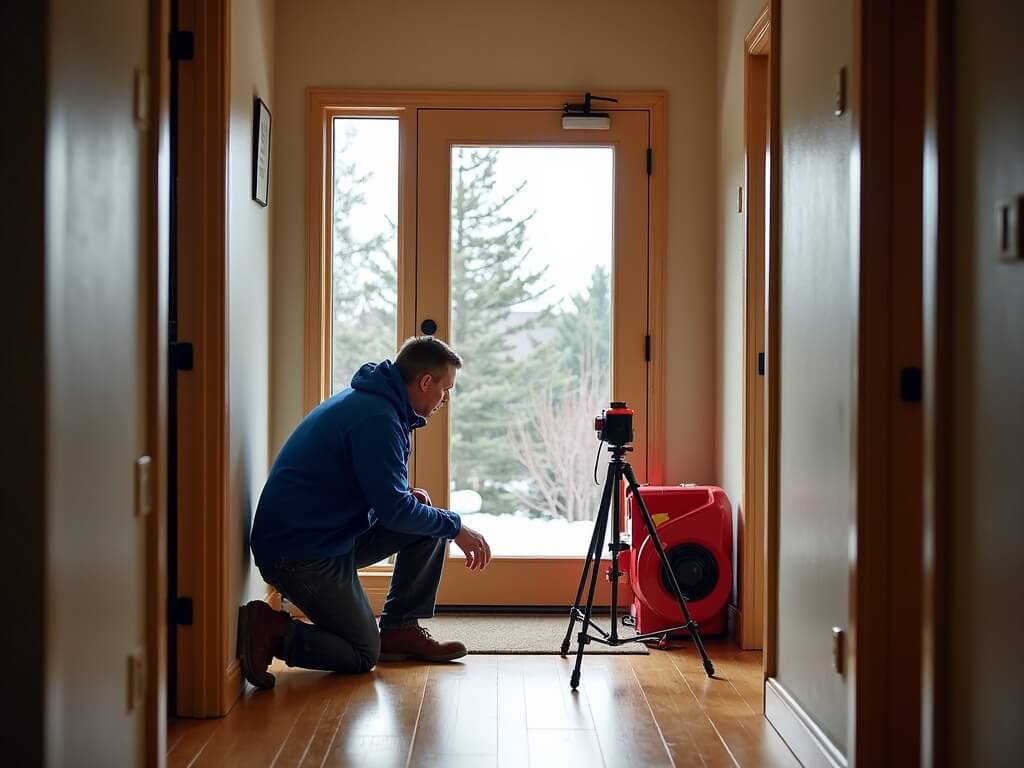
A professional energy audit might sound technical, but it’s seriously eye-opening. I had one done on my friends place in Awbrey Glen—he thought the issue was “bad windows.” Turns out he had massive air leaks behind his recessed lighting and almost zero attic insulation. Windows were the last thing to worry about.
Here’s what an audit usually includes:
- Blower door test to pressurize the house and find leaks
- Infrared cameras (to spot cold air intrusion)
- Duct leakage testing
- Insulation and ventilation inspection
Some utility companies around Bend offer discounted or even free audits. Make a few calls to see what’s offered before paying out of pocket.
Solid audits help prioritize high-impact upgrades instead of jumping right to expensive ones.
Takeaway:
An energy audit is the smartest $200–$400 you’ll ever spend—especially if incentives cover part of it.
The Upgrade Roadmap: What to Do First (and Why)
Jumping straight to solar panels might sound exciting, but they won’t save you much if your AC is leaking into a 90-degree attic. Trust me—I've seen this mistake more than once.
Always follow this efficiency-first approach:
- Tighten up the envelope: air sealing + quality insulation
- Improve windows and doors
- Upgrade HVAC and water heating systems
- THEN consider solar or renewables
This sequence keeps your upgrade costs down because you’ll need smaller (read: cheaper) equipment once leaks and insulation are fixed.
By reducing the load first, your home runs smoother, quieter, and with way less energy loss.
Takeaway:
Start with sealing and insulation—it sets the stage for everything else.
Massive Wins from Small Fixes: Key Building Envelope Improvements
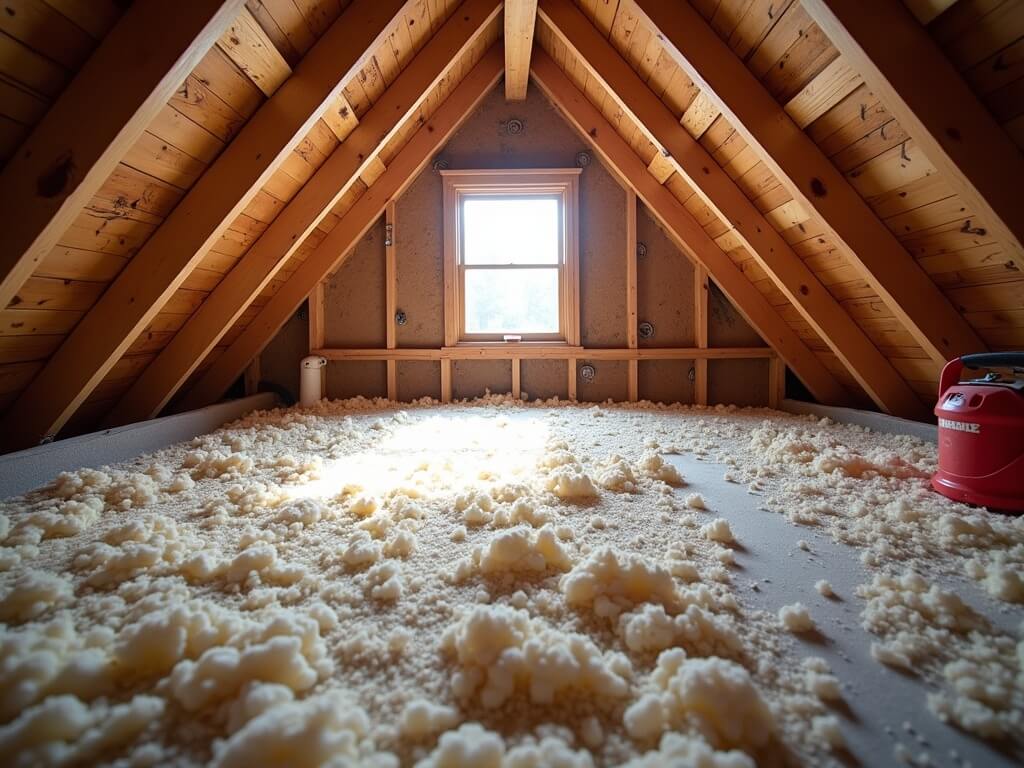
Attic Insulation: The #1 Missed Opportunity
Poor attic insulation is like walking around in winter without a hat. Energy escapes fast.
According to the DOE, attic sealing + insulation alone can save up to 10% on total utility bills. That’s without touching your mechanical system.
What we see most:
- Open gaps around plumbing and wiring penetrations
- Chimney surrounds leaking air by the cubic foot
- Drafty attic hatches
- Old fiberglass batts that have collapsed over time
Use blown-in cellulose or dense-pack fiberglass to seal cavities, and don’t skip air sealing ahead of blowing in new material. Spray foam in targeted zones helps too.
Wall and Floor Insulation
Older homes sometimes have empty stud bays with no wall insulation at all. That’s a huge opportunity—especially for homes near Pilot Butte and Redmond with minimal exterior sheathing.
Popular insulation types:
- Blown-in cellulose: good for existing walls
- Spray foam: seals + insulates but pricey
- Fiberglass rolls: cheap but less air seal value
Each has tradeoffs—in cost, R-value, and air-sealing capability. The right choice depends on access points and budget.
Windows and Doors: Necessary, But Prioritize
New ENERGY STAR certified windows can cut household energy bills by around 12%. But replacing 15–20 windows can cost north of $15K–$30K depending on quality and labor.
Want to make a fast impact?
- Add weatherstripping around doors and old sashes
- Use caulk or sealant around trim and frames
- Replace windows in phases—starting with the worst (leaky, north-facing, or single pane)
Quick tip:
Highly air-leaky windows often show up in winter. Sit near them and see if you feel a breeze—that’s money seeping out.
Takeaway:
Air sealing and good insulation usually outperform window replacements—unless your windows are truly failing.
Reminder: Every Building Envelope Upgrade Cuts Demand on Heating
Every bit of air sealing or added insulation reduces your furnace or heat pump's workload. That means smaller, quieter, and more cost-efficient systems can do the job.
Mechanical Upgrades That Supercharge Efficiency
Heat pump HVAC systems: Total Game Changer
Modern cold-climate heat pumps can heat your Summit West home even when it's 10°F outside—and they cool just as well in August. These are nothing like the old heat pumps from twenty years ago.
Heat pumps are:
- 2–3x more efficient than gas or resistance-electric furnaces
- All-in-one: heating + cooling in one unit
- Perfect match for tight, well-insulated homes
But don’t skip the design phase.
The worst installs I’ve seen skipped duct testing or just copied the old system’s size. Bad move. Inefficient ducts destroy performance—and oversizing leads to short cycling and poor dehumidification.
Water Heaters: The Silent Energy Hogs
Water heating is the second-largest energy user in most homes.
Upgrading to a heat pump water heater can slash energy use by 60%, according to the EPA. That’s about $500–$600 in yearly savings for a family of four.
Best part? These units often qualify for major rebates and federal tax credits.
Other affordable game changers:
- LED lights (use 90% less electricity than old bulbs)
- Smart thermostats (track usage and fine-tune savings)
- Low-flow showerheads (use less hot water = less energy)
Takeaway:
High-efficiency systems work best when the building envelope is upgraded first—don’t reverse the order.
Insulated Window Replacement in Summit West: What It Costs, What It’s Worth
If your windows are 30+ years old and rattling in the frame, it’s probably time. But don’t pick the most expensive triple-pane model just because it “sounds insulated.”
Here’s how insulated window replacement cost breaks down:
Cost Variables:
- Material: Vinyl is cheap, wood is pricey, fiberglass is the sweet spot for efficiency/durability balance
- Pane count: Double-pane is fine for most climates, triple-pane boosts performance but costs more
- Special coatings: Low-E (low emissivity) cuts solar heat gain and escaping winter heat
- Labor and complexity: Expect to pay more for odd shapes, custom frames, tough exterior finishing (stucco/siding)
Ballpark Numbers:
- Standard replacement-grade window: $600–$1,200 installed
- High-performance triple-pane: $1,200–$2,000+ per window
- Whole home replacement: $12K–$30K+ depending on size and product tier
Want to curb cost?
- Replace worst offenders first
- Choose ENERGY STAR mid-grade
- Combine with other remodel work (siding, wall insulation) to save on labor duplication
Takeaway:
Insulated windows are valuable, but don’t let them eat your entire energy remodel budget.
Now that we’ve covered the core of every good energy-efficient remodel—envelope and systems upgrades—it’s time to explore how all of this adds up when it comes to actual heating bill reductions and tax-credit-eligible savings opportunities...
Explore our full home renovation blog to learn more, or check out our remodeling services for Summit West homes.
Beyond Lower Bills: Why an Energy Remodel Is the Smart Way to Renovate
If you’re already gutting a kitchen or tearing walls open for a bathroom remodel, there’s no better opportunity to upgrade your home's energy performance.
I helped a client in NW Crossing redesign their outdated kitchen but behind the drywall, we found zero wall insulation. We ended up upgrading the HVAC ducting, adding dense-pack cellulose to the walls, and rerouting a hot water loop for faster access to hot water. The comfort upgrade was immediate—and their January heating bill dropped by over 20% compared to the year before.
This isn’t rare.
Whether you’re working on a full house remodel or just tackling one room at a time, look for chances to do more than just refinish spaces.
Here’s how you capitalize during major renovations:
- Open walls? Slide in insulation or air-seal penetrations before sheetrock goes up
- Flooring off? Add subfloor insulation or seal HVAC ducts in crawlspaces
- Siding replacement? Wrap the home in exterior insulation for massive thermal upgrades
Timing matters. Every time you open a surface during construction, ask: “What else can I upgrade behind this?”
Takeaway: Remodel smarter by integrating air sealing, insulation, and duct work into the job—don’t waste the demo stage.

Skip Sticker Shock: Smart Financing for Energy Upgrades
Yes, upfront costs for energy retrofits can be intimidating.
But here’s the truth: Most people overestimate the cost and underestimate the payoff.
If you plan correctly, you can stack the deck with federal credits, local rebates, and low-interest financing tools that leave your cash flow unaffected—or even cash-positive.
Look into these:
- Energy-Efficient Mortgages (EEM): Add upgrade costs to your mortgage with low interest and no extra down payment
- Energy Retrofit Loans from select credit unions or green financing programs (often 0–2% interest options)
- Federal tax incentives: The Energy Efficient Home Improvement Credit allows up to $1,200 annually for insulation, HVAC, and windows—plus $2,000 per year more for heat pumps and heat pump water heaters
And because many upgrades slash energy use by 20–30%, part of the monthly financing payment can be offset by your reduced utility bills.
Takeaway: Finance your comfort and ROI—energy upgrades don’t need to be all out-of-pocket.
Not All Contractors Are Equal—Here’s Who to Trust
Most contractors can install a window.
But only a few think through how that window upgrade affects your home’s ventilation balance, insulation continuity, or air-sealing integrity.
That’s why you need a team that understands home performance—not just replacement parts.
Signs you found the right pro:
- They recommend an energy audit first—not just a quote
- They handle (or coordinate) blower door and duct testing
- They know ENERGY STAR specs and how to document upgrades for rebates
- They help you design a whole-home roadmap, not push single trades
One of our clients in the Sisters area told us flat out: “No one else bothered to ask what my comfort goals were.” We fixed her insulation gaps, swapped ductwork, and installed a right-sized mini-split system. She’s now more comfortable than she ever was with her old furnace—and saving over $900 yearly.
Takeaway: Choose contractors who see your home as an energy system, not a sales opportunity.
Your Energy Upgrade Cheat Sheet—What to Watch
All the pieces we’ve talked about—insulation, HVAC, sealed windows—they fall into clear categories.
Your Building Envelope (The Barrier Between You and Outside)
- Air sealing: Attic penetrations, rim joists, leaky window frames
- Insulation: Attic (blown-in or batts), wall (dense-pack cellulose or spray foam), floor
- Windows & doors: ENERGY STAR certified, low-e, double/triple-pane replacements
- Roofing: Cool roofs for sunny spots, tight roof-deck insulation, good ventilation
Mechanical Systems That Save You Year-Round
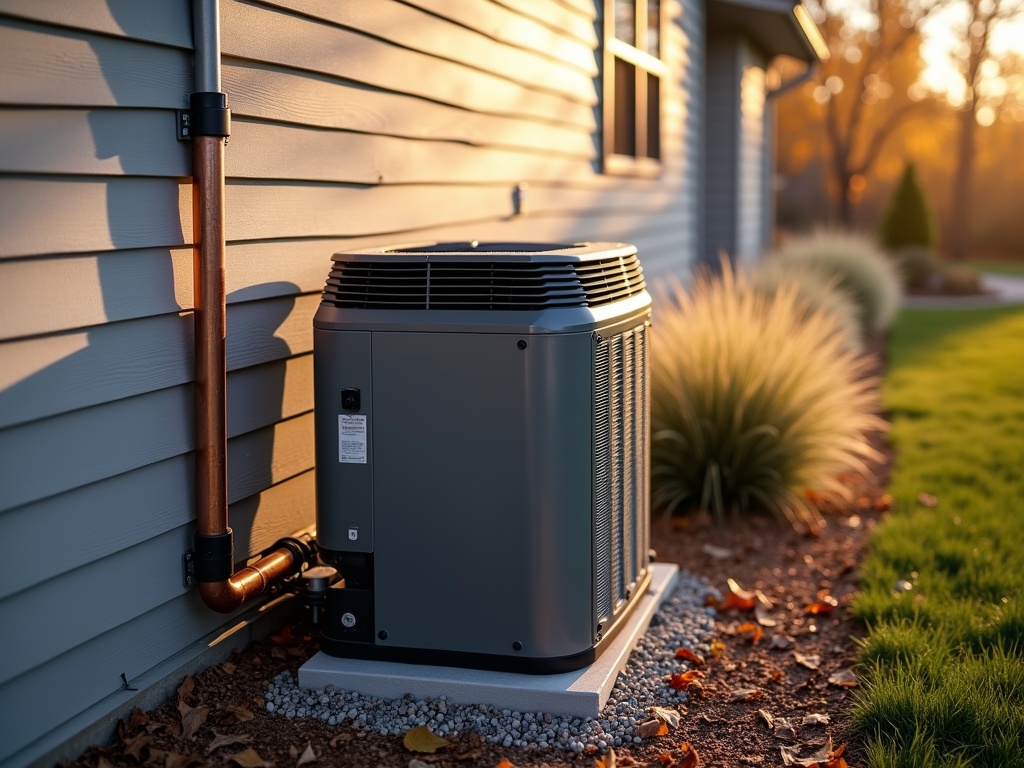
- HVAC: Heat pumps (ducted or ductless mini-splits), high-efficiency gas units if needed
- Water heaters: Heat pump water heaters, tankless options
- Ventilation: Balanced mechanical systems like HRVs or ERVs in tight homes
Appliances + Plug Loads: The Hidden Draw
- ENERGY STAR fridges, washers, dishwashers
- Smart power strips to cut vampire loads
- Low-flow, efficient plumbing fixtures
Controls That Actually Give You Control
- Smart thermostats with learning or zoning features
- Real-time home energy monitors (sense where your power goes)
Thinking Bigger? Renewables Come Last—but Matter
- Solar PV becomes way more cost-effective after a tight envelope
- Battery storage = resilience + power charge during outages
- Plan solar + HVAC as a long-term combo, not independent installs
Takeaway: Start where it counts (air and insulation) and let smart upgrades flow from there.
What You Can Get Back: Tax Credits, Rebates, and More
Right now is one of the best times in the last two decades to make energy upgrades pay for themselves.
Thanks to expanded federal credits and rebate programs, you can claw back thousands on your remodel costs.
Here’s the best part: Many of these are stackable.
Highlights for 2024:
- Federal Energy Efficient Home Improvement Credit: Up to $3,200/year in total—in effect through 2032
- $1,200 for envelope upgrades (windows, doors, insulation, air sealing)
- $2,000 additional for heat pumps and water heaters
- You claim it yearly on IRS Form 5695
- Rewiring America and Department of Energy programs (local implementation varies):
- Up to $8,000 for comprehensive retrofits that hit 20–35% modeled savings
- Up to $8,000 for qualifying heat pump installs
- Up to $1,750 for heat pump water heaters
- Extra rebates for low- to moderate-income households
You’ll also want to check utility programs through Energy Trust of Oregon and local providers, which often offer:
- Free or deeply discounted home energy assessments
- Rebates for attic insulation or duct sealing
- Instant discounts on water heaters, thermostats, and lighting
Takeaway: A large chunk of upgrade costs may already be covered—if you do it right and document everything.
Where It’s All Heading (And Why You Should Care)
The energy landscape is shifting fast—and if you’re remodeling now, knowing this gives you an edge.
Here’s what’s coming down the line:
- Electrification: Most new homes and remodel projects are phasing out gas—heat pumps and induction cooktops are leading the charge
- Tighter building codes: Blower door tests, required insulation values, and mechanical ventilation are becoming standard
- Resilience Matters: Envelope upgrades don’t just save energy—they let your home stay warmer longer during outages
- High-performance homes: Buyers are hungry for efficient, comfortable, low-maintenance homes—and will pay more for them
- Smart homes: Integrating energy monitoring, solar data, and HVAC controls is the new normal—and much easier today than even five years ago
Takeaway: Energy-efficient remodeling isn’t just smart now—it protects your home’s value and comfort in the years to come.
Still Wondering If It’s “Worth It”? Ask These Questions First
A few honest answers can snap your whole remodel plan into perspective.
- Does my home have cold spots, uneven heating, or high winter bills?
- Do I plan to live here at least 5+ more years?
- Am I remodeling anyway, opening up places where upgrades should happen?
- Can I leverage rebates, tax credits, or special financing to reduce cost?
If you answered “yes” more than once—you’re standing in a high-opportunity zone.
And if you still aren’t sure where to start… get a blower door test. It’s the GPS for your whole home strategy.
Final Thoughts: Build Comfort that Pays You Back
I’ve been in the trenches of remodeling homes from all over Summit West, Redmond and high-end custom builds in Awbrey Glen (https://www.dcrnorthwest.com/project/whole-home-remodel-bend-oregon).
And the truth is this:
The most successful remodels aren’t just pretty—they’re efficient.
They solve the real problems homeowners complain about year after year: Cold drafts. High bills. Outdated systems. Waste.
Energy-efficient home remodeling in Summit West isn’t a trend. It’s how smart homeowners are futureproofing their investment—reclaiming energy, comfort, and peace of mind.
So whether you’re remodeling one room or rebuilding your entire envelope…
Start here. Start with performance. Start with the upgrades that make everything better.
Then go build a home that finally feels—and performs—the way it should.
Questions? Want a qualified team to help with design + build + energy strategy, all in one?
Call us at 541-699-2502 or email matt@dcrnorthwest.com.
Efficient. Comfortable. Worth every penny.
Energy-efficient remodeling in Summit West starts here.
